Struggling to get even, soft lighting without harsh shadows? A light diffuser might be just what you need. It’s a simple tool that spreads light evenly, reducing glare and hot spots.
So, your photos and videos look more natural. Curious about which material works best? Keep reading to find out.
What Exactly Is a Light Diffuser and How Does It Work?
A light diffuser is a semi-translucent material placed between your light source and subject to soften and spread the light. Unlike simple barriers that block light, a diffuser scatters the rays as they pass through it. Its internal structure disrupts the straight path of the light, redirecting it in multiple directions. This process makes the light appear larger and more evenly spread across the scene. For photography and video, ring light stands often integrate diffusers to enhance their performance and value. For example, just as petal freshness relies on careful handling to avoid damage, a diffuser’s material must be managed properly to prevent light degradation. For optimal results, choosing a diffuser with high transmission efficiency ensures the light remains bright and uniform, similar to how top elastic tablecloths balance quality and value.
Using a diffuser softens harsh beams and reduces glare and hot spots, creating a more flattering light. A quality diffuser maintains the original color temperature of your light source while improving transmission efficiency. It broadens the distribution of light, turning a narrow, focused beam into uniform illumination. The result is a softer, more natural light that retains brightness without feeling dimmed or diffused too much. Essentially, you’re reshaping your light output to achieve a smoother, more controlled effect.
Why Use a Light Diffuser to Soften Your Light Source?
A light diffuser is essential because harsh lighting causes eye strain and creates unflattering shadows. Without diffusion, bare bulbs or direct LEDs produce concentrated bright spots that can be uncomfortable and distracting. Diffusing the light spreads it evenly across a larger area, which reduces glare and softens shadow edges. This results in more flattering images by making faces and objects appear smoother, minimizing blemishes and harsh contrast areas. Additionally, lighting becomes more uniform throughout the room, eliminating hot spots and providing a comfortable glow. The perceived softness ultimately depends on the size of the diffusion surface relative to the subject, as a larger illuminated area acts as a softer effective light source. For practical setups, considering factors like portability and material quality can be as important as the surface area itself, much like comparing durable pillow options for a ring bearer. Similarly, you can reuse diffusers repeatedly for many setups, but always store them flat to avoid creases and check for tears or holes to maintain performance.
Diffusion maintains the original color temperature, so your preferred warmth or coolness stays intact. Although some light intensity is lost in the process, using a diffuser allows you to achieve the desired brightness without increasing wattage, making your lighting setup more energy-efficient. The overall effect is a cleaner, more natural look that is easier on your eyes and visually more appealing.
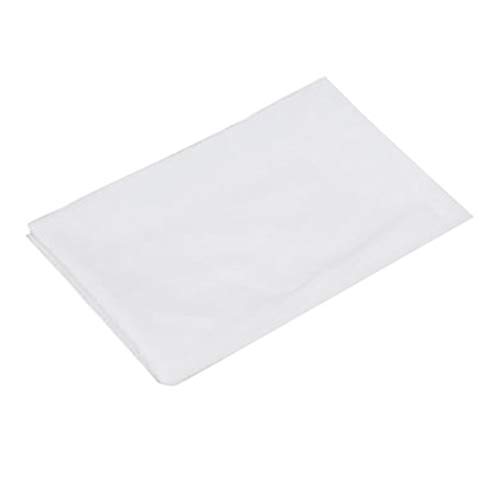
Diffusion Fabric: Effectively soften the light of natural light and all kinds of film and photography lights.

1 Yard x 60 Inch/0.9M x 1.5M of DIY diffusion fabric
Glass vs. Plastic vs. Fabric: Which Diffuser Material Is Best?
Glass diffusers provide the highest light transmission, typically between 90 and 95 percent, making them ideal if optical clarity is your top priority. They also withstand high heat levels, so they won’t degrade your color temperature over time. This durability helps maintain consistent lighting performance, especially in setups involving hot bulbs. However, glass panels tend to be heavier and more fragile, requiring careful handling and more substantial mounting solutions. While they offer excellent energy efficiency due to minimal light loss, they often come with a higher price tag, making them a more costly but long-lasting option. For a festive event, glass diffusers can be much more durable than mylar balloons which are prone to popping. For buyers who prioritize longevity over initial cost, glass diffusers compare favorably with top cloth napkins in terms of sustained performance and value. A glass diffuser can also be paired with a thoughtful gift like a valentine’s day banner to create a cohesive and visually appealing room setup.
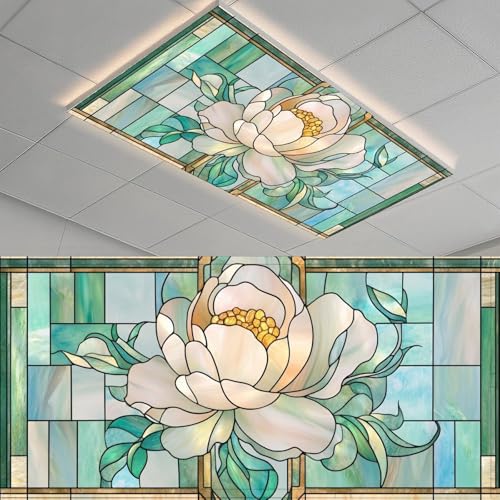
【Note】: 2 pack of fluorescent light cover, each has outer size in about 4 x 2 ft, can satisfy your decorative needs; You can install them most place you want, and can also gift them with your friend, neighbors and more

【Package】 : We have prepared 2 fluorescent lampshades for you in the package, which can meet your daily use and replacement needs.

PC Light Diffuser Board 11.8x11.8in -- Designed for LED light homogenization, this diffuser sheet effectively scatters light, eliminates harsh light spots, and achieves a soft, uniform lighting effect.
Frosted Glass, Acrylic, or Polycarbonate: Which Wins for Your Setup?
Frosted glass is preferred if you prioritize a refined aesthetic and softness in light diffusion. It offers a superior visual appeal with a premium feel, producing a soft, uniform glow that transmits about 85–90% of light. Its heat resistance reaches around 300°C, making it suitable for high-temperature environments. However, its durability is limited: frosted glass is fragile, heavy, and more difficult to handle during installation, increasing the risk of breakage and requiring careful handling. Its weight can also complicate mounting. Choose frosted glass if your setup benefits from the luxurious look and a smooth, elegant diffusion, but be prepared for its delicate nature and handling challenges.

PRECISE REPLACEMENT DIMENSIONS: Designed exclusively for G9 base fixtures, this tubular glass shade features a 0.98-inch (25mm) outer diameter and a 2.36-inch (60mm) height. The built-in threaded neck allows you to securely screw the cover directly onto your compatible G9 socket in seconds—eliminating the hassle of fragile spring clips or loose friction fits. (Note: Please measure your fixture's threaded collar before purchasing).
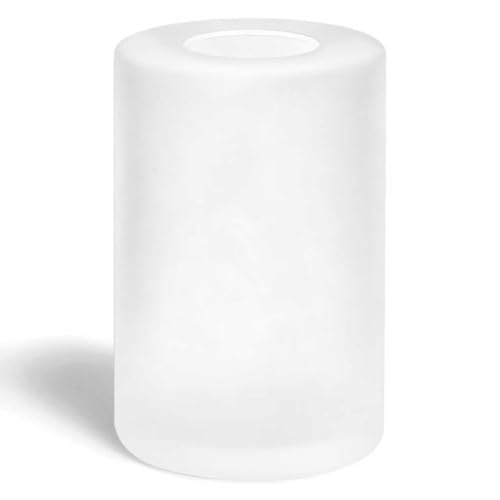
Frosted Glass Lamp Shade Replacement: Made of durable frosted glass, this cylinder glass shade helps soften bright light and creates a warm, comfortable glow for compatible indoor light fixtures.

DESIGN: An ethereal feel with a soft white domed design, and black base.
How to Choose the Right Diffuser for Photography, Home, or Office Lighting
Choosing the right diffuser depends primarily on your specific lighting goal. For photography, select a diffuser size that matches your subject: larger panels (around 36 inches or more) create softer, more even light ideal for portraits or large groups, while smaller diffusers (under 12 inches) work well for macro or detail shots. Position the diffuser close to your subject to achieve the desired softness, ensuring minimal unwanted shadows. If catchlights in the eyes are important, opt for a rounded diffuser shape, which produces more natural reflections. For studio setups, a white backdrop paper can also serve as an effective large-area reflector or diffuser for softening shadows. When comparing options, consider the best signs for yard as a reference for durable outdoor materials that can also be adapted for light control. Understanding how to adjust air pressure can also inform your diffuser positioning for consistent light output.
For home spaces, prioritize diffusers that effectively reduce glare and create a comfortable ambiance. Frosted or matte diffusion materials are preferred because they scatter light uniformly and are less likely to alter color tones significantly. Check whether the diffuser material could warm or cool your light output; some plastics or fabrics may slightly shift the color temperature, affecting the room’s atmosphere. Installation methods should be secure and straightforward—ensure the diffuser mounts stably to fixtures or lamps without risk of falling.
In office settings, choose diffusers designed to minimize screen glare and distribute light evenly across workspaces. This reduces eye strain and enhances visual clarity. Look for diffusers made from flame-retardant materials to meet commercial safety standards. Properly chosen diffusers in an office can improve productivity and comfort by creating a consistent, glare-free lighting environment.

Precise Light Control: Elevate your photography and videography with our 60x90cm / 24"x36" Softbox Honeycomb Grid. The included honeycomb grid provides precise control over the direction and spread of light, allowing you to sculpt and focus your illumination with incredible accuracy.
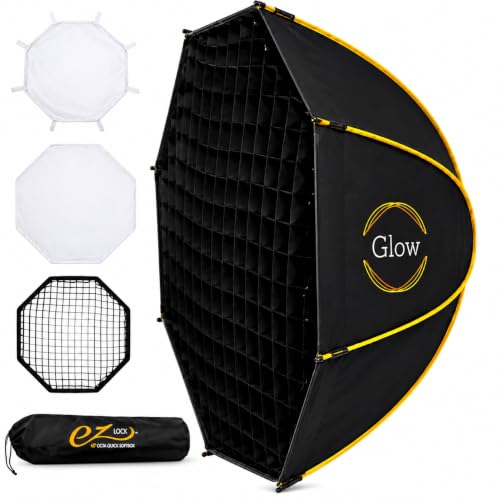
INCLUDED – Glow EZ Lock 36" Octagon Softbox with Silver Interior | 130mm Bowens-Mount Speedring Insert for Bowens-Mount Lights | Inner Diffuser | Front Diffuser | Eggcrate Grid | Deflector Disc | Carry Bag – The EZ Lock design makes the softbox as simple to open and close as an umbrella for fast setup, quick breakdown, and easy carrying. The reflective silver interior and included Deflector Disc provide added control over light output and diffusion.

ONE-STEP SETUP: This large octagon softbox utilizes latest technology for a quick assemble and disassemble. With a single snap, the quick folding octa softbox fully opens or collapses, making it perfect for on-the-go photographers and quick studio changes. This increases your lighting efficiency, suitable for fast-paced indoor and outdoor shooting.
Where Light Diffusers Make the Biggest Difference in Your Home or Studio
Diffusers are most impactful when used to soften the main light sources in your home or studio. They help eliminate harsh shadows, creating a more even and gentle illumination. In living rooms and bedrooms, diffusers transform bright, pinpoint lighting into a warm, welcoming glow that promotes relaxation. In bathrooms, they reduce shadows on your face, making makeup application or shaving more precise and less frustrating. Even at a child’s birthday party, a well-placed diffuser can soften the bright lights needed for festive decorations, making the entire celebration more comfortable for guests.
Hallways and transitional spaces benefit from diffusers because they prevent stark contrasts and make the environment feel more inviting. Bare bulbs often spill unwanted light onto walls and ceilings, causing light contamination. Diffusers minimize this spill, directing light where it’s needed without excessive glare. When paired with strip lights, diffusers also help ensure consistent color output across the entire length of the installation. Whether you’re photographing a beauty tutorial or reading in bed, diffusers give you control to craft the perfect light setting—so your tasks look professional and your spaces feel comfortable. For party setups, foam machines also rely on diffused lighting to make bubbles and effects look more vibrant and less washed out.
Common Beginner Mistakes When Using or Choosing a Diffuser
Choosing the right diffuser size is crucial; a diffuser that’s too small won’t spread light evenly across your subject. Generally, aim for a diffuser at least as wide as your subject or the area you want to illuminate. Larger diffusers soften shadows more effectively and reduce harsh spots. Be mindful of material quality—cheap fabrics can overheat when placed too close to a light source. Always allow at least 12 inches of space for airflow to prevent damage and overheating. Similarly, when using a diffuser for hair, hover diffusing before making contact is a common mistake that leads to uneven results. Unlike a fog machine that may leave a messy residue on surfaces, your diffuser should remain clean to avoid affecting light quality.
Regular maintenance is essential—dust buildup inside the diffuser can shift its color temperature, leading to unwanted color casts in your shots. Keep it clean to maintain accurate color rendering. Remember, you cannot rely on one diffuser for every situation. The size, distance, and subject’s dimensions affect which diffuser setup works best. Using too many layers of diffusion material wastes light and can reduce the overall brightness without significantly improving softness.
Finally, check your placement carefully. Gaps, uneven positioning, or off-center angles can create uneven lighting across your subject, resulting in distracting bright spots or shadows. Proper alignment ensures a seamless, natural look that enhances your photography.
Does Diffusion Reduce Brightness? Here’s What to Expect
Diffusion does reduce brightness, but it’s not the main goal. Instead, it alters the way light is spread across a space, creating a softer, more uniform glow. A dense, opaque diffuser will cut down light more significantly than a lightly frosted one. Expect about 75% to 85% transmission with standard frosted covers, meaning they let through most of the light while diffusing it. Heavy opal or thick materials can drop transmission to 60% or lower. You’ll sacrifice some raw brightness to achieve better softness and evenness. If maximum intensity is what you need, opt for a clearer diffuser or a more powerful light source. For outdoor settings, umbrella lights similarly balance brightness with even light distribution for patio use. If you want a clean, professional look for your setup, consider DIY easel stands as a simple woodworking project. When planning an event, durable floor decals can also manage visual impact without sacrificing practicality, much like choosing the right diffuser for your lighting needs.
4 Simple DIY Light Diffuser Materials You Can Try Today
Parchment paper is an excellent quick fix for harsh lighting thanks to its affordability and easy availability. Simply tape it over a small lamp or clip light, but make sure it stays away from hot bulbs to prevent any fire risk. This material acts as a temporary diffusion sheet, softening the light evenly. For a larger area or softer spread, white fabrics such as muslin or an old sheet work well—stretch them over a PVC frame to create a makeshift softbox. Frosted plastic offers a more durable and permanent option; cut it to size and attach it where needed. For portable projects, cardboard or foam board can serve as a base, with tissue paper or cloth layered over the opening to diffuse the light efficiently. Keep in mind that diffusers do not alter the color temperature of your light source, and for optimal diffusion, avoid placing reflective surfaces behind the diffuser, as they can cause unwanted hotspots. When choosing materials, consider that a tablecloth for a round table can also be repurposed as a large diffusion panel when stretched over a frame. To keep repurposed fabrics in good condition, follow gentle care methods for washing to prevent fraying or shrinking.

Diffusion Gel Filters: you will receive 12 sheets of white diffusion paper, sufficient quantity to meet your various needs and replacements, ideal for photographers; And you can share with your friends

Indispensable Props for Photographer: you will receive 10 sheet light diffuser films in white, sufficient quantity to meet your various needs and replacements, which are ideal for photographers; And you can share with your friends

Product Photography:Commonly used to create a professional look in product shots, helping to eliminate reflections and highlight the product features.especially for products with reflective objects such as jewelry and metal items