Not all balloons are made from latex — in fact, you’ll also find foil (Mylar) balloons and options crafted from nylon, polyethylene, or plastic films.
Latex balloons are natural rubber, flexible, affordable, and biodegradable, while foil balloons are coated with a multi-layer plastic and aluminum that last longer but are more polluting.
Your choice affects how long balloons last, safety, and environmental impact. Keep reading to discover which material suits your needs best.
Are All Balloons Latex?
Not all balloons are latex. In fact, a variety of materials are used to create balloons suitable for different occasions and needs. Besides natural latex, you’ll find vibrant foil (Mylar) balloons, plastic films, and rubber options. These non-latex balloons are manufactured through heat-sealing or injection molding, which differ from latex production methods that involve dipping forms into liquid latex. Latex-free balloons are available in materials such as nylon and polyethylene for those with severe allergies. When comparing your options, consider that real flowers offer a natural scent and organic texture that silk flowers cannot replicate, making them ideal for certain event aesthetics.
This variety allows you to choose balloons based on factors such as durability, appearance, and safety. For example, foil balloons often hold helium longer and come in shiny, metallic finishes, making them ideal for elegant or lasting decorations. Non-latex options are also a safe alternative if you or your guests have latex allergies. For optimal results, always adjust the helium tank settings according to the balloon material to avoid overinflation or damage.
Always check labels or product descriptions to confirm the material, especially if allergy concerns are involved. By understanding the differences, you can select balloons that best match your event’s style and safety requirements.

Party Must-Have: Our round foil balloons are a must-have to brighten up a party.Beautifully designed, these round balloons are a versatile decoration for any celebration, making your party shine.

Party Must-Have: Our large colorful round Foil Balloons are an essential decoration to brighten any celebration, beautifully designed to make your party shine with vibrant colors and versatile appeal for all events.
What Are Latex Balloons Made From?
Latex balloons are made from natural rubber latex, which is tapped from *Hevea brasiliensis* trees. The manufacturing process begins with harvesting the latex, which is a concentrated form mixed with water, pigments for color, and coagulants that help it adhere to the molds. These ingredients are blended together to create the latex compound. During production, the latex is washed and heated, then dipped into forms coated with calcium nitrate to shape the balloons. After dipping, hot water leaching removes residual chemicals, and vulcanization—using heat—hardens the material, improving elasticity and durability. Additional components, like antioxidants and antiozonants, are included to fend off aging and degradation, while titanium dioxide is added to increase opacity. The result is a flexible, elastic balloon that is biodegradable under the right environmental conditions. The process of vulcanization is similar to the heat treatment that hardens rubber in photography equipment mounts for durability. Unlike latex balloons, foil balloons are made from nylon and metalized film, and they can often be reused if carefully deflated and stored. When choosing outdoor decorations, consider that waterproof solar string lights offer a durable and energy-efficient alternative to balloons for garden lighting.

Includes 35PK Big Bulk Balloons 18 Inch for Colorful Birthday Party Decorations that comes Assorted Colors of Yellow, Red, Pink, Purple, Green Blue which are Ideal Goodie Bags Stuffers or Party Favors for Boys Kids Prizes

Biodegradable Materials | Made from natural rubber and corn starch-based materials, these eco-friendly balloons decompose quickly without harmful toxins, offering a sustainable way to decorate any celebration or event.
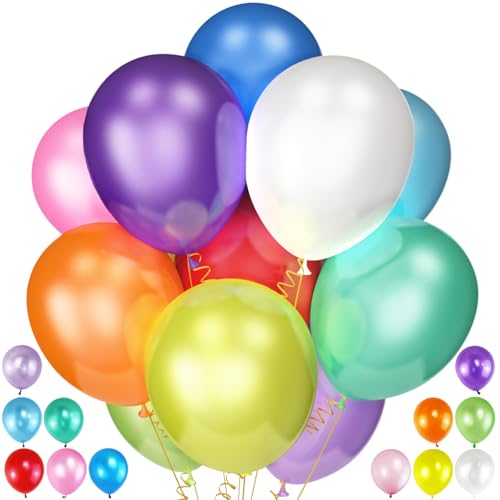
➤Balloons assorted colors: join us, you will get 120pcs 12 inch assorted color balloons in 12 different colors. Random Color.
What Are Foil Balloons Made From?
Foil balloons are made from a metalized plastic film, typically a multi-layer composite that combines polyethylene and aluminum foil. The outer layer is often a PET (polyethylene terephthalate) film, which provides durability, while the aluminum foil is used to give the balloon its shiny metallic appearance and help retain helium or air. A small self-sealing valve is inserted to allow for inflation without the need for external tools. This construction makes foil balloons much more durable than latex options, such as a ring bearer pillow. Although the PET layer is technically recyclable, the complex multi-layer structure complicates recycling efforts. This layered construction prevents the balloons from being sorted and processed easily at recycling facilities. As a result, foil balloons are generally not accepted in curbside recycling programs and often end up as plastic waste. Since they are non-biodegradable, these balloons can persist in the environment for many years, contributing to pollution if not disposed of properly. When you discard a deflated foil balloon, remember it will not break down naturally, posing a potential threat to wildlife and ecosystems.

Package Contents:You will receive each package contains 4 sizes of 4D silver balloons: 22 inch/18 inch/15 inch/10 inch, each size contains 4 quantities, so you will get a total of 16 4D silver balloons. A straw is also provided with the 4Dballoons to make it easy for you to inflate the balloons; a roll of ribbon can help decorate the balloons.

Package Include: You will receive 10 inch 4D foil balloons (10pcs), 15 inch 4D foil balloons (5pcs), 22 inch 4D foil balloons (5pcs), straw (1pc), balloon ribbon (1 roll). Foil balloons under 15 inches cannot float with helium, fill them with air.

Size and Package Included-You will get two large number balloons,giant size with 40 inch high,the package will come with a straw for easily inflate and deflate.You can place number 15 birthday balloon on bed,floor or table,provide your birthday party a good display.
How Long Do Latex and Foil Balloons Last?
Latex balloons filled with air typically last several days to a few weeks indoors. Foil balloons, on the other hand, can stay fully inflated for weeks or even months. The lifespan of a latex balloon is also limited by natural latex degradation over time. Larger balloons tend to last longer than smaller ones because their thicker material retains air or helium more effectively. Heat and sunlight speed up deflation or deterioration, so keeping balloons in a cool, shaded area can extend their lifespan. Using a hi-float treatment on latex balloons filled with helium can prolong their float time to several days, but foil balloons generally offer superior longevity regardless of treatment. For a professional-looking result, you might consider building a DIY Easel Stand to hold your balloons for display. Additionally, choosing Foil balloons is a smart option when planning a celebration that needs decorations to last for multiple days or an entire event.

【Set size】: 4 longhorn cow skull balloons (77*94.31cm) + 1 inflatable straw + 1 roll of 10-meter ribbon. Large cow skull balloons support helium flying.

【Cow Skull Boot Wheel Balloons Arch Garland Kit】30.3*37 inch cow skull balloons*2; 19.4*33.7 inch brown boot balloons*2; 18 inch wheel balloons*2; ribbon*1; straw*1

🎈【Oversized & Eye-Catching Western Decor】Each longhorn cow balloon measures approximately 25.6 x 31.5 inches, making it significantly larger than standard party balloons. The bold and iconic longhorn shape immediately draws attention and creates a strong Western visual impact. Whether used alone or in a balloon arch, it brings ranch vibes to your entire event space.
Are Latex Balloons Biodegradable? And Foil?
Latex balloons are biodegradable, but foil balloons are not. Latex is a natural rubber derived from rubber trees, which breaks down slowly over several months to a few years in the environment. This means latex balloons will eventually decompose, reducing long-term litter and environmental impact. In contrast, foil balloons are made from metallic-coated plastic film, a synthetic multilayer material that resists decomposition. They can persist in the environment for many years, acting as non-degradable waste. Both types can pose risks such as ingestion or entanglement for wildlife. The main distinction is that latex naturally degrades over time, while foil remains virtually unchanged, making it far less environmentally friendly outdoors. For those choosing rigid materials for displays, foam boards offer a non-biodegradable but durable alternative for backdrops.
When to Choose Latex vs. Foil Balloons
Foil balloons are your best choice when longevity and visual impact are priorities. They can keep helium floating for days to weeks, making them ideal for multi-day events or setups planned well in advance. The crisp, defined shapes of foil balloons support detailed graphics and complex designs, perfect for statement pieces, large letters, or branded displays. If you want a design that can be easily read from a distance or makes a bold impression on its own, foil is the way to go. Meanwhile, latex balloons are better suited for softer, fuller arrangements, offering a more classic, flexible look. Use foil for sharp, durable accents that last and latex for overall volume and a more natural feel. Foil balloons also come in a wider variety of shaped and printed designs, making them more versatile for themed parties than standard latex.

"Wedding" Artwork: Celebrate the wedding day in style with our Heart Foil Balloons! Each 18-inch white heart balloon is adorned with a glossy "Wedding Day" in a chic, modern font, adding a touch of elegance to any pre-wedding event
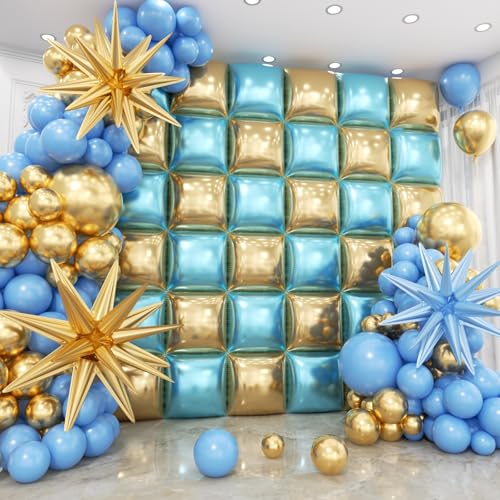
Unique Double-Sided Design: Our blue and gold square foil balloon Kit features 36pcs of vibrant balloons with a striking gold color on one side and soft blue on the other. Each 19-inch balloon allows you to create an eye-catching balloon wall backdrop that can be customized to match your celebration's theme

Unique Double-Sided Design: Our cream green and cream white square foil balloon Kit features 36pcs of vibrant balloons with a striking cream green color on one side and soft cream white on the other. Each 19-inch balloon allows you to create an eye-catching balloon wall backdrop that can be customized to match your celebration's theme