If you’ve ever wondered whether fairy lights are a fire risk, you’re not alone. While they can add magic to any space, they also come with potential dangers if not used carefully.
The truth is, fairy lights can pose a fire hazard if damaged or poorly maintained, but choosing the right type and following simple safety tips can keep your celebrations safe.
Keep reading to learn how to light up safely and avoid accidents.
Are Fairy Lights a Fire Hazard? Here’s the Short Answer
Damaged cords or overloaded outlets can quickly turn fairy lights into a fire hazard. To minimize this risk, always check your lighting setup for frayed wires or loose connections before using them. Avoid daisy-chaining multiple sets together, as this can draw too much current and overload the outlet. Opt for LED fairy lights whenever possible because they run cooler and consume less power, making them inherently safer. For additional safety, choose a set from the top reviews that includes a UL-listed adapter. Still, keep lights away from flammable materials like curtains, paper, or dry foliage, since heat can ignite these items. A high-quality ring light used for photography, for instance, often features a sturdy metal stand and cooler LED operation to reduce such risks. Using realistic artificial flowers instead of dry foliage can further reduce fire risk, as artificial roses are typically made from non-flammable materials like silk or polyester. Always switch off your fairy lights before sleeping or leaving your house to prevent potential fires caused by unattended lighting.
What Actually Causes Fairy Lights to Catch Fire
Fairy lights are at risk of catching fire primarily due to electrical overloads, damaged wiring, excessive heat, moisture, and poor construction. Overloading your outlets by daisy-chaining many strands or plugging high-wattage decorations into a single circuit can cause the wiring to overheat. Damaged cords with frayed insulation or exposed conductors increase the risk of short circuits and sparks, especially if rodents have chewed through wiring. Incandescent bulbs generate significant heat, and clustering lights or covering them with fabric can trap that heat, creating fire hazards. Using outdoor lights without weatherproofing allows moisture to short-circuit connections, while poor construction features like weak strain relief or loose connections contribute resistance that heats up. Just as reusing foil balloons safely requires inspecting them for damage before each use, you should always check your circuit’s capacity before installing lights, avoid exceeding manufacturer recommendations, and inspect cords regularly for wear and damage.
LED vs. Incandescent vs. Battery: Which Is Safest?
LED strings are the safest choice because they operate at much lower temperatures than incandescent bulbs. They convert more energy into visible light, resulting in less heat output. This significantly reduces your risk of burns or accidental fires, especially during long periods of display. Incandescent lights, on the other hand, waste a large portion of energy as heat, with surface temperatures sometimes exceeding 216°C. Such high temperatures pose a serious fire hazard near fabrics, paper, or other flammable materials. Battery-powered LED strings operate at low voltage, offering an additional safety benefit, but you should still select quality components and avoid placing batteries or wiring in cramped or overheated areas. For the ring bearer, choosing a pillow for ring bearer that incorporates LED lights would further minimize fire risks during the ceremony. Overall, LED lights are the safest option for decorative lighting, especially when used with proper spacing and away from flammable objects. When comparing top picks, quality and performance reviews consistently highlight that LED options are the most reliable and safest for long-term outdoor use.
![24 Pack Fairy Lights Battery Operated [3 Modes] 7ft 20 LED Mini Twinkle String Lights Waterproof Silver Wire Firefly Starry Lights for Wedding Party Mason Jars Christmas Decorations, Warm White](https://m.media-amazon.com/images/I/51NBqNkGaHL._SL500_.jpg)
【Large Capacity LR44 Battery】Each fairy lights is equipped with 3 pre installed 180mAh batteries, which can provide up to 72 hours of lighting without additional purchase. Very suitable for decorating mason jars, vases, handicrafts, bottles, plants, decorations, flower wreaths, flower wreaths, etc

Battery Operated String Lights: Powered by 3*AA battery (batteries NOT included). The battery box is not waterproof, please keep it away from water

【6 Pack Battery Operated LED Fairy Lights】 Powered by 2 CR2032 batteries (included), the 7-foot-long miniature fairy lights come with 20 upgraded energy-saving LEDs, perfect for daily decoration and holiday decorations. Thin copper wire and small LED bulbs will add a sophisticated and cozy touch to your personal space
Where Fairy Lights Get Dangerously Hot : and Why
Heat buildup is one of the main causes of dangerous hotspots on fairy light strings. Even with the safest bulb types, certain areas can become excessively hot. Bulbs clustered tightly together trap heat, causing localized temperatures to spike, especially when lights are wrapped around paper, fabric, or dried greenery. The more you bunch the lights, the more heat gets trapped, increasing the risk of melting or fire. For constructing a large arch, consider using strings with a loose spacing to prevent heat from accumulating in dense clusters.
Wiring problems also contribute to dangerous hot spots. Damaged insulation, loose sockets, and bent cords create resistance, which makes specific points heat up more than others. Thin wiring in fairy lights is particularly vulnerable; a short circuit or arcing connection can generate intense heat right at the fault point. Overloading circuits by connecting too many strands in series puts extra stress on plugs and extension cords, raising the risk further. For example, opting for top table placemats that combine style and durability can help prevent heat transfer from hot dishes to your table surface, reducing fire risks. Always keep your light clusters loosely arranged and regularly check for damaged wires to reduce these hazards. Consider instead choosing party favors that are designed with safer, low-heat materials to avoid these risks entirely.
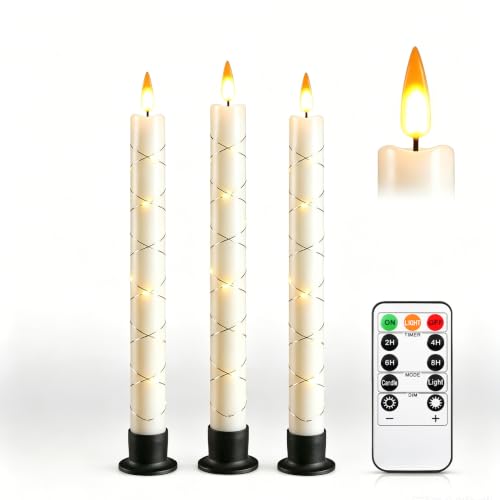
✅ Realistic Dripping Wax Shape & Elegant Ivory Look These LED taper candles feature an exquisite simulated dripping wax top design, perfectly restoring the natural melting texture of real burning candles for ultra-realistic visual effects. Adopting classic ivory color, the candles deliver a soft, elegant and timeless aesthetic, matching all mainstream American decoration styles including modern, farmhouse, vintage and minimalist decor. The uniform 2.2cm*24.5cm size ensures neat and unified layout, suitable for various scene matching and all-season decoration.

✅ Lifelike Dripping Wax Mold & Classic Ivory Appearance These LED taper candles adopt a realistic dripping wax top design, perfectly simulating the natural melted wax texture of truly burning candles for an ultra-authentic decorative look. Featured with timeless ivory tone, they fit all mainstream American decoration styles, including farmhouse, modern, minimalist and vintage styles. With uniform 2.2cm diameter and 24.5cm height, the 6-piece set delivers neat and unified visual effects for all kinds of scene layout.

Bright: Led christmas lights are composed of warm white micro LEDs with big chips, brighter than others' led fairy lights. Perfect decoration for weddings, parties and kids' rooms
5 Mistakes That Make Fairy Lights a Fire Hazard
Plugging too many fairy light strands into one outlet or daisy-chaining extension cords can cause a dangerous power overload. This raises the temperature of the wiring and LEDs, increasing the risk of sparks or even a fire. To keep safe, always check the wattage ratings of your lights and extension cords, and avoid exceeding their limits. Use only one power strip per outlet and don’t connect more than the manufacturer’s recommended number of strands together. Regularly inspect cords and plugs for any signs of damage, and never force them into an outlet if they don’t fit easily. Properly distributing power load helps prevent overheating and potential fires. For large setups, consider using a dedicated circuit or a higher-capacity power distribution unit, as fog machine ratings often specify peak power draws that can help you gauge safe load limits. The specific flower garland density you choose for your setup can also influence how much space remains for safe ventilation around the lights.

Used as a backlighting to create a romantic and relaxing ambiance for you. In the dark room or at night, the soft white lights will make you feel better.

【Energy Efficient & Eco-Friendly】Our solar lights are equipped with a high quality solar power source that is energy efficient and can save you a significant amount of money on your energy bills. Outdoor christmas lights come with a 1200mAh rechargeable battery that absorbs solar energy during the day and automatically turns on at dusk. With a full charge, these lights can stay illuminated for 8-12 hours, ensuring maximum use of renewable energy and minimal impact on the environment

[ Battery Operated Led Strip Lights ] Led strip lights battery powered with switch, the first press is ON, the second press is Flash and the third press is OFF, not waterproof. Battery operated by CR2032 battery
Why Christmas Trees and Fabrics Raise Fire Risk
Because Christmas trees and fabric decorations are highly flammable, they can quickly turn a small spark into a spreading fire. Real trees contain resinous material that ignites rapidly, especially as they dry out over time. Their fine needles create a large surface area exposed to heat, which accelerates flame growth compared to fresh trees. When you add fabric decorations like garlands or tree skirts, you’re layering combustible materials that can scorch or smolder from the heat of nearby bulbs. To reduce fire risk, keep hot lights away from both trees and fabrics. The danger worsens when dried branches, paper ornaments, and cloth are placed too close to heat sources. Without proper spacing, your holiday setup can become a tinderbox, allowing a minor spark to ignite a fast-moving blaze.
6 Simple Steps to Prevent Fairy Light Fires
Regularly inspecting each strand for damage is essential. Look for frayed cords, loose sockets, or cracked bulbs. If you find any damage, discard the entire set instead of trying to repair it. Always choose lights that are UL certified and have fused plugs for safety. Match indoor lights for indoor use and outdoor lights for outside to prevent weather-related damage. Keep bulbs away from paper or fabric to prevent overheating, and never cover cords with rugs or other materials. For a tidy arrangement, apply the same principle used in crafting flower balls to keep cords neatly bundled and away from flammable surfaces. Avoid overloading outlets by limiting the number of connected strands, as this reduces the risk of electrical overload and fires. When you’re not using the lights, turn them off, especially when sleeping or leaving the house; timers make this routine effortless. Consider using smart plugs for automatic shutoff and schedule regular electrical inspections to identify signs of aging wiring early. These steps significantly lower the chances of a fairy light fire. For a professional-looking setup, use a DIY preschool backdrop frame to keep cords neatly secured and away from flammable decorations. Planning your display layout ahead of time can also help you avoid tangled wires, much like mapping out a Minecraft birthday backdrop before assembly.

3 Pack Green Wire Christmas Lights: Our 3 x 150 count green Christmas incandescent mini lights will light up you home in the coming up Christmas. Each bulb space 2.5in, 2.5V and 0.42W per bulbs, built-in 3A fuse for safe use. Extra bulbs and fuses are included. High quality UL certified products ensure the safety of you and your family

Upgraded Fall and Thanksgiving Garland with Lights: Compared to other short sized fall garland maple leaves, usually their size is 5.83ft, we have achieved a length of 9ft, specially designed for US family's mantel or fireplace decorations. What's more, our plug in lighted fall garland with denser maple leaves provied an bright and warm lighting effect, very differnt from other sparse fall garland with no lights or battery operated maple leaves string lights which always dim brightness.

Green Wire Christmas Lights: Our 150 count clear warm white incandescent mini lights will light up you home in the coming up Christmas. Each bulb space 2.25in, 2.5V and 0.42W per bulbs, built-in 3A fuse for safe use. Extra bulbs and fuses are included. High quality UL certified products ensure the safety of you and your family
Check These 3 Signs Before Buying Fairy Lights
Before purchasing fairy lights, verify three critical signs to prevent fire hazards. First, check for proper certification marks like UL, ETL, or CE. These indicate a third-party safety test for fire and shock risks. Fake or missing marks signal a higher danger level, so steer clear of those products.
Second, confirm the usage rating on the label matches your installation environment. Indoor-only lights are not designed for outdoor use and can pose fire or shock risks if used outside. Look for clear indications such as “indoor” or “outdoor” to ensure safe application.
Third, inspect the product labeling for completeness and clarity. It should include rated voltage, wattage, manufacturer information, and warning statements. An illegible or incomplete label suggests poor manufacturing standards. Additionally, examine the construction—prefer flame-resistant plastic and ensure heat sources are separated from flammable materials. These details help determine if the lights can be installed safely. Ignoring these signs increases the risk of fire or electric shock.

UL Certified: Meets UL safety standards for indoor and outdoor use

Upgraded LED String Lights Indoor Outdoor: Super bright with new upgraded LED bulbs. The 300 LED warm white green wire plug in string lights have 8 lighting modes to satisfy your diverse decorative effect. Total length is 108.8ft, of which 99ft with lights.

Total 23Feet, lead cord 23 Inches, tail cord 4 Inches, 2.5 Inches distance between each bulb, use brown cord, 100 count clear incandescent mini bulb, super bright, warm and romantic. It can be replaced by a 2.5 Volt 0.41 Watts bulb.