Ever wondered how to light a sparkler safely without causing a mishap? Getting it right means knowing the proper steps, from choosing an outdoor spot to handling the flame correctly.
When done carefully, sparklers can add a bright touch to any celebration without risking injuries. Keep reading to learn the simple, step-by-step method to enjoy sparklers safely and confidently.
Where to Use Sparklers Safely: Outdoor Spaces Only
Sparklers should only be used outdoors in open areas. Using them indoors or in confined spaces increases the risk of fire from sparks igniting nearby materials like curtains, furniture, or rugs. To stay safe, choose a wide, open area with a flat, hard surface such as concrete, bare dirt, or sand. Keep sparklers well away from structures, trees, dry grass, loose debris, and any flammable objects. Avoid windy locations where sparks could fly unpredictably and cause unintended fires. Never light sparklers on covered patios, balconies, or near vehicles and fuel sources, as these areas pose additional hazards. Using the wrong soap in your bubble machine can leave residue or produce weak bubbles, so selecting a top-rated dish soap ensures consistent performance and safer foam output. Sticking to open outdoor spaces minimizes the risk of accidents and helps keep everyone safe. For ambient illumination during evening sparkler use, string lights for mason jars can create a safer, clearer boundary for your activity area. For capturing these moments, a ring light with stand provides consistent illumination to enhance sparkler photography and video.

Start Fires Effortlessly: With our Fire Starters, igniting indoor and outdoor fires has never been easier. Skip the hassle of traditional kindling materials or fuel and experience the convenience of our reliable fire starters.

Wanting a Great Patio Party?: Having a patio party is different from an indoor party. Outdoors you need to consider the coldness and a center of attention to gather everyone. A propane fire pit table can provide the atmosphere needed for a great time!(note:1:use soapy water to check for leaks before use 2:The reminder card contains interface size instructions and interface inspection instructions)
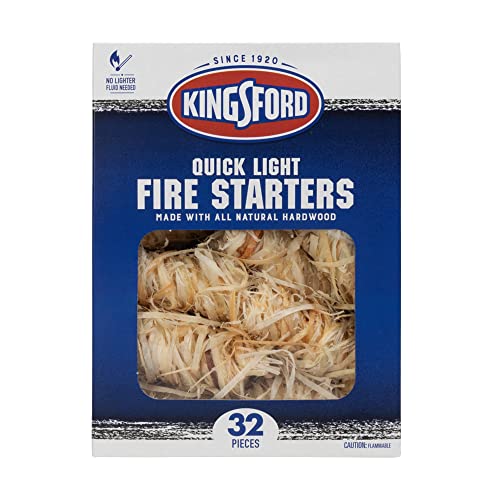
FAST AND RELIABLE FIRE STARTING WITHOUT LIGHTER FLUID NEEDED: Fire starter rolls help light charcoal or firewood quickly without lighter fluid, supporting reliable starts for grilling or outdoor fires with less time spent building ignition.
What Kids Need: Supervision, Closed-Toe Shoes, and Eye Protection
Proper preparation is essential to ensure kids’ safety during sparkler activities. Constant and active supervision is a must. Never let a child handle a sparkler alone, especially children under six who should never touch them. Children under twelve need you close enough to step in immediately if needed. Never hold a young child in your arms while using sparklers, as it increases the risk of accidents.
Kids should wear closed-toe shoes to protect their feet from falling sparks and hot debris. Bare feet or flip-flops are unsafe options. Eye protection is also crucial—each child should wear safety goggles to shield their eyes from stray sparks, which can cause serious injuries. Make sure children stand still, hold sparklers at arm’s length, and avoid running. Keep a water bucket nearby for safe disposal of used sparklers and to address any minor burns immediately.
Why a Long-Handled Lighter Is Safer Than Matches
A long-handled lighter is safer than matches because it keeps your hand at a safer distance from the sparker’s flame. Its extended tube allows you to ignite the sparkler without getting too close to the ignition point, reducing the risk of burns. Unlike traditional matches, which require you to bring your fingers dangerously near the flame, a long-handled lighter provides a steady, reliable flame that can withstand breezes. This means you won’t need multiple attempts to light your sparkler, minimizing the chance of accidental slips or burns. Reusing foil balloons requires inspecting them for damage before attempting reinflation, just as you should check your sparkler for defects before lighting. A reliable hand pump is essential for safely reinflating such items. Selecting a ring bearer pillow also involves checking materials and construction to ensure safe handling. Overall, using a long-handled lighter ensures a safer, more consistent ignition process every time.
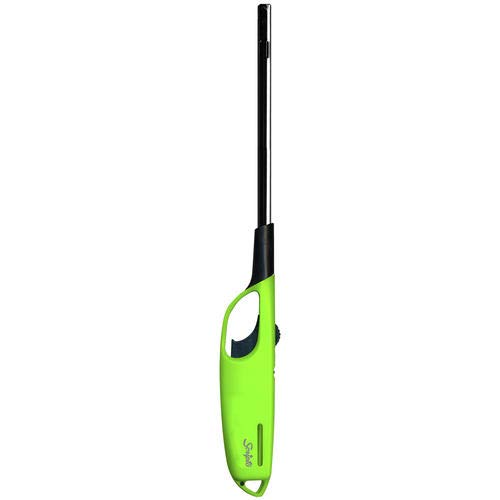
America's most trusted name in utility lighters

【EXTENDS OVER 3 FEET】- XTENDR ARCS Torch features a detachable extension system that reaches beyond 3 feet (36+ inches), allowing safe long-distance ignition for bonfires, fire pits, burn piles, and fireworks where standard lighters fall short.

【Refillable & Visible Fuel Window – Save Money, Reduce Waste】Every NEON lighter is refillable, economical, and sustainable—helping you save money and reduce waste. The visible fuel window lets you easily see when it's time for a refill, so you'll never run out unexpectedly. Simply refill with NEON premium butane fuel—quick, clean, and convenient. Perfect for candle lovers, BBQ fans, and everyday household use.
How to Hold a Sparkler Safely Without Burning Yourself
To hold a sparkler safely without burning yourself, keep it at arm’s length and well away from your body and clothing. Fully extend your arm so the burning end remains at a safe distance from your hands, face, and torso. Handle only one lit sparkler at a time, and avoid standing close to others; ensure bystanders stay at least six feet away. Wear thick gloves and non-flammable clothing, steering clear of loose sleeves or dangling fabric that could catch fire. Always supervise children closely—don’t let them run or wave sparklers near others or themselves. After the sparkler burns out, place the hot end into a bucket of water or sand to cool it down. Never touch the burnt section until it is completely cool to prevent burns. When storing unlit sparklers, keep them in a cool, dry place away from heat sources. According to safety guidelines, sparklers can burn at over 1,000 degrees Fahrenheit, making them a serious burn hazard. For event setup, consider using a sturdy circle arch to display sparkler holders at a safe distance from guests. Following these safety tips helps prevent burns, fires, and accidents while enjoying sparklers. For a more secure grip, avoid using a loose sparkler holder that could shift during use.

INSULATED: 7 gauge acrylic terry line for warmth

Gloves/Cold Weather Gloves
The Right Way to Light Only the Sparkler Tip
Light only the sparkler’s tip—the end farthest from the bare wire handle—to ensure safe and controlled ignition. This part is coated with a special chemistry that burns first and needs a direct, steady flame to activate. Do not point the flame at the bare wire, as that will not start the reaction and could burn your hand instead. A butane lighter provides the most reliable flame for this purpose. Hold the sparkler at arm’s length, angle the tip slightly downward, and keep the flame on it for about one or two seconds until sparks appear. Avoid windy conditions, as wind can blow out your lighter before ignition. Never use matches or light from the metal handle, because matches are too short and unreliable. Once the tip lights steadily and sparks emerge, you are ready for safe enjoyment. Protect your dining surface by placing a non-flammable tablecloth underneath, as falling sparks can damage wood or plastic. This same principle of using a steady flame and stable base applies when arranging sparklers in floral foam for displays. To hold the sparklers in place while lighting, consider using a balloon arch without any supporting frame for a stable, hands-free setup.
What to Do With Sparklers Once They’ve Burned Out
Once sparklers have fully burned out and cooled, drain any excess water but keep them wet to prevent sparks or ash from becoming airborne. Double-bag the soaked wires and remaining ash in plastic or foil to contain sharp ends and prevent loose ash from falling out. Tightly seal the bags before disposal. Always discard these bags in your regular household trash—never in recycling, compost, or yard waste containers. Store the bagged remnants away from flammable materials and children until you can take them out for disposal. The next morning, inspect your yard carefully for any stray debris or leftover sparks. For safe storage, consider using folding chair covers to contain the bagged remnants neatly. To keep the bagged items upright and organized, you can place them beside a sturdy support pole from your backdrop stand until trash pickup day. A similar approach to containing spent materials involves understanding how snow machines use compressed air to propel fine particles for a controlled dispersal effect.
The Mistakes Beginners Make: and How to Avoid Them
To avoid accidents, always light only one sparkler at a time. Using multiple sparklers simultaneously creates excessive heat and confusion, increasing the risk of burns. Instead, use a long-handled lighter to ignite each sparkler separately and keep them spaced apart. Never bundle sparklers together, as this practice is dangerous. Always hold sparklers at arm’s length, away from your face and body, to prevent burns. Do not hand a lit sparkler to someone else; only the person who lights it should hold it.
Wear closed-toe shoes and nonflammable clothing to minimize injury risk. Keep children closely supervised, and avoid giving sparklers to young kids, as they lack the coordination to handle them safely. Use sparklers outdoors only, in an environment free of flammable materials. Never run, throw sparklers, or use them for mock duels, which can lead to accidents. Keep a bucket of water nearby for safety, so you can quickly extinguish any stray sparks or extinguish a sparkler if needed.

Safety Is Our Top Priority: Our candle lighter feature automatic power-off technology, shutting off automatically after 7 seconds of use each time; they also include a child safety lock to prevent accidental activation and ensure your safety
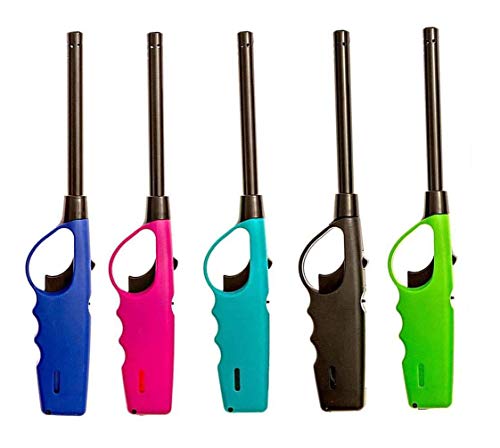
COMES READY TO USE WITH BUTANE, REFILLABLE; Comes Prefilled with Butane; Refill for using again and again

ONE CLICK IGNITION: Say goodbye to the hassle of matches or traditional lighters. With just one click, the Click N Flame BBQ Lighter produces a powerful flame, instantly lighting up your grill or fire pit with ease.
How to Handle a Sparkler That Won’t Light or Fizzles Out
If a sparkler fails to light or fizzles out, stop trying to relight it immediately. Carefully inspect the sparkler for any signs of damage, moisture, or cracked coating, as these can prevent it from igniting properly. Before attempting to relight, ensure you’re conducting the process outdoors in a clear area away from flammable materials. Use a long-handled lighter and ignite the tip farthest from the handle for safety. Never attempt to light multiple sparklers at once or reuse a sparkler that has already failed to ignite. For events, professional-grade uplights often use similar safety precautions for consistent performance. When choosing reliable sparklers for an event, look for top-rated school banners that emphasize durability and even coating. For a decorative alternative, consider making a felt flower garland using simple supplies and a step-by-step method.
If it still does not light, do not keep trying to relight it or use a lit sparkler to light another. Instead, move the dud away from other sparklers to prevent accidents. For sparklers that fizzle out, treat them as duds. Do not wave these near yourself or others. Instead, safely dispose of them by soaking in water for several hours or placing them in a metal container filled with water. Always confirm they are fully cooled and soaked before discarding to avoid any risk of unintentional ignition.

CANDLE LIGHTER: Tired of struggling with traditional long lighters that are cumbersome and hard to use? Say hello to the Crocs Candle Lighter, the perfect fusion of functionality and flair for your home décor needs.

【Safety Protection Design】: Our electric candle lighter features a built-in automatic power-off chip and an external safety lock switch, ensuring maximum safety during use. Designed with child safety in mind, it requires the safety lock to be engaged before the igniting spark can be activated, preventing accidental ignition.