Ever wondered about those safe-looking fireworks that don’t produce flames or smoke? Cold sparklers fit that description—they create bright sparks without an open flame.
You can enjoy their dazzling effect without the intense heat of traditional fireworks, making them popular at indoor and outdoor events.
Keep reading to learn about how they work and what safety tips to keep in mind.
What Exactly Are Cold Sparklers?
Cold sparklers are special-effects devices that produce a spark effect without an open flame. They work by using tiny granules of titanium or titanium alloys that ignite and create a fountain-like spray of bright, smokeless sparks. Unlike traditional handheld sparklers, which can reach several hundred degrees Fahrenheit, cold sparklers operate at much lower temperatures, making them safer for close-up use at events like weddings or concerts. However, they still generate sparks that can ignite combustible materials if proper safety distances are ignored. Always operate cold sparklers in flame-retardant surroundings and with professional oversight to ensure safety while adding a dramatic, sparkling touch to your celebration. Unlike party poppers, which use a spring-loaded confetti mechanism for a single burst, cold sparklers provide a continuous spray of sparks for a sustained visual effect. For event planners looking to cut costs, consider whether reusing foil balloons is a viable option for decor, but never attempt to reuse or refill cold sparkler cartridges, as their pressurized systems are designed for one-time use only. To capture the sparkle effectively, a photographer might use a ring light with stand for even, shadow-free illumination during low-light event shots.
How Do Cold Sparklers Actually Work?
Cold sparklers work by replacing open flames with an electrically heated system that heats metal particles to produce bright sparks. Inside the machine, you load titanium-zirconium granules into a hopper. A controlled heating element then raises these particles to their ignition temperature. Once superheated, a blower pushes the glowing particles upward through a nozzle, creating the fountain effect seen by spectators.
The chemistry of the spark particles is crucial: as these airborne granules oxidize, they emit a bright white light. You can precisely control the height and duration of the sparks using digital controls by adjusting airflow and feed rate. Although the particles are extremely hot at the nozzle, they cool rapidly afterward, losing their burn potential within a short distance. This makes cold sparklers safer compared to traditional pyrotechnics, but you still need to keep spectators and flammable materials at a safe distance from the discharge area. Plus, they produce significantly less smoke and residue, making them a cleaner alternative. For a polished presentation, you might combine them with acrylic wedding signs for a cohesive event design. For securely mounting silk flowers alongside the sparkler display, look for floral foam options that resist heat and hold stems firmly. To achieve a lasting centerpiece, consider pairing the display with best artificial roses that look real for an elegant floral arrangement.
Why Are Cold Sparklers Called ‘Cold’?
Cold sparklers are called “cold” because their fire temperature is significantly lower than traditional pyrotechnics. While standard sparklers can burn at temperatures over 1,200°F, cold sparklers typically emit sparks at or below 150°F and cool to about 62°F almost instantly. This lower heat output reduces the risk of burns and fire hazards, making them safer for indoor use near fabrics and guests. The effect is achieved using titanium-based powders that produce the sparkle without extreme heat. So, the term “cold” mainly indicates that these sparklers are far cooler than fireworks, though they still require careful handling. For event planners, the safest approach is to place the sparklers on a ring bearer pillow to keep them elevated and away from flammable surfaces. Choosing the correct titanium-based powder is key to achieving the desired low-temperature effect safely. For event planners prioritizing safety, selecting the right equipment is as crucial as choosing the effects, much like comparing hand pump options for foil balloons to ensure reliable inflation.
What Are the Specific Risks of Cold Sparklers?
Cold sparklers can reach temperatures between 144 and 200°F, enough to ignite nearby flammable materials such as clothing, decorations, or mulch. Even though they are safer than traditional fireworks, these sparks can cause minor burns if you make direct contact, particularly with prolonged exposure. Eye injuries are also a risk; burns or corneal abrasions can happen in seconds, which is why wearing protective eyewear is highly recommended. Machine malfunction poses another hazard: poor maintenance or incorrect setup can lead to fires or electrical shocks. Sparks landing on your skin can cause burns to your hands, face, or feet. Children under five are especially vulnerable, so close supervision and keeping a safe distance are essential. Always follow the manufacturer’s instructions to minimize these risks.

IMPACT RESISTANT - Meets ANSI/ISEA Z87.1-2020 (Mark: Z87.1+), MIL-PRF 32432 Ballistic Impact
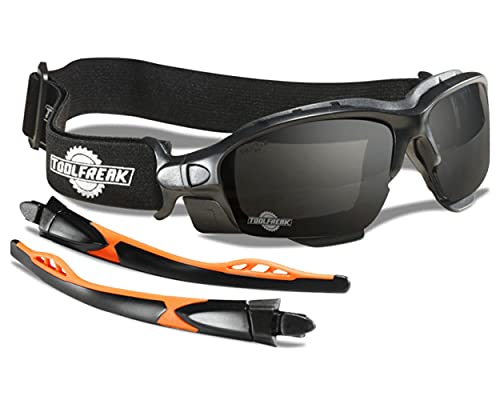
UNIQUE PROTECTIVE EYEWEAR: By combining together the best features of protective glasses and safety goggles, spoggles are the most unique and versatile piece of protective eyewear you've ever used!
Are Cold Sparklers Safe to Use Indoors?
Cold sparklers can be used indoors, but they are not automatically safe just because they produce cooler sparks. Safety depends heavily on following strict guidelines, the venue’s rules, and proper setup. These devices evolved from professional pyrotechnics, yet indoor use still requires careful consideration. Always adhere to manufacturer instructions and maintain a minimum 10-foot clearance zone to prevent accidental fires. Even smoke-free effects do not eliminate fire risks; you need a stable, non-flammable surface and proper ventilation. Never rely solely on the product’s “cold” label—your venue may require permits under NFPA 1126, and smoke alarms may still activate. Always have trained operators present and keep a fire extinguisher nearby to ensure safety. For example, traditional sparklers burn at temperatures exceeding 1,800°F, which is why even “cold” versions demand strict precautions. A craft project like a paper flower garland is made from simpler, non-pyrotechnic supplies, highlighting why sparklers require much stricter precautions. Using grommets and bungee cords to secure the banner ensures it stays flat and does not sag, which is important for maintaining a clear safety zone around the sparkler setup.
Where Are Cold Sparklers Most Commonly Used?
Cold sparklers are most commonly used at outdoor events and venues where safety and clean visuals are priorities. They are ideal for open-air festivals, nighttime sports celebrations, and outdoor concerts because they pose minimal fire risk and produce no smoke or heat. These features make them suitable for environments where traditional fireworks might be prohibited or dangerous. You’ll also find them thriving in indoor settings such as TV studio productions, private parties, and indoor galas where smoke, flames, and heat could cause complications. Their ability to deliver a dramatic, firework-like display without the hazards of combustion makes them a popular choice across various outdoor and indoor events. For hosts planning a show, choosing the right machine involves considering the event’s venue and the available power sources. For outdoor comfort, hosts might also consider pairing cold sparklers with solar light umbrellas to enhance the ambiance and visibility safely. A DIY approach similar to building a Minecraft birthday backdrop can inspire a creative, customized setup for cold sparkler displays at themed parties.
Key Factors for Choosing a Cold Sparkler Machine
To choose the right cold sparkler machine, you need to consider total cost of ownership beyond just the initial purchase price. This includes evaluating powder refill costs, part availability, and ensuring that consumables are not vendor-locked, which can limit future options or increase expenses. Safety regulations are equally critical: verify the local fire-code classification, confirm that operators are certified to handle the equipment, and review venue insurance requirements thoroughly.
Always select machines with documented low surface temperatures to prevent accidental burns or heat damage. Avoid products with vague safety claims—look for clear certifications and specifications. Match the spark height to your venue’s ceiling height to maintain safety and visual impact. Confirm that the unit’s DMX compatibility integrates well with your existing control system, and verify that the power requirements align with your venue’s electrical circuits to avoid overloads.
Finally, consider maintenance ease. Choose machines with durable housings, firmware that supports updates, and ignition systems that consistently perform. These factors ensure long-term reliability and safety, making your investment worthwhile.

Cold Light Magic: Powered by a 350W motor, Cold Effect Machine this Stage Light Machine creates stunning 6-10 ft,Stage Light Machine is ultimate upgrade for Wedding Receptions & Grand Exits, Concert Productions & Live Music Performances, and Theater Shows & Stage Performances. Electronic Stage Effect Light whether you're working indoors or outdoors, it instantly elevates the atmosphere with professional-grade effects. (The package does not Include materials)

【Sturdy and Firm 】Made from high‑quality stainless steel that resists wear, corrosion, rust, and warping. It stays beautiful and functional for years. The 150W pure copper motor works with a compressor (not included, 84.5–169 oz) to launch 5.5–22 lbs of air pressure, shooting confetti 33–49 feet into the air. Big impact, reliable build

【ATMOSPHERE MAKER】: The smoky gas diffuses under the light of the fantastic LED lights, allowing you to be more immersed in the happy atmosphere of the party. It is ideal for creating a warm atmosphere whether you are using it at a bar, stage, or concert.