Ever wondered what a smoke bomb really is and how it works? These devices produce thick, colored smoke through a chemical reaction, unlike fireworks that explode. They’re commonly used for military signals or creative photography effects.
But handling them comes with serious safety risks. Keep reading to learn everything you need to know about using smoke bombs safely and legally.
What Exactly Is a Smoke Bomb and How Does It Work?
A smoke bomb produces a thick, controlled cloud of smoke through a chemical reaction that generates aerosol particles. When ignited, you start a heat-driven combustion process that involves an oxidizer, typically potassium nitrate, reacting with a sugar fuel. This reaction releases heat and produces gases, vaporizing powdered dyes that give the smoke its color. To prevent an explosion, a coolant like sodium bicarbonate is included to regulate the burn rate. For photographers, pairing a smoke bomb with a quality ring light can dramatically enhance the visual effect of the colored smoke in portraits and video scenes. As the device heats up, the vaporized dye and other chemicals cool rapidly once expelled. However, like sparklers, smoke bombs also pose burn and fire risks that require careful handling and supervision. This rapid cooling causes tiny droplets—smoke particles—to form and suspend in the air, creating a dense cloud that obscures visibility or serves as a signal. The design ensures a slow, sustained burn, allowing it to produce smoke for several seconds or minutes rather than a quick burst. For signals and visual effects, considering the appropriate yard sign size can help frame the smoke’s impact in outdoor setups. This controlled combustion makes smoke bombs suitable for applications like visual concealment, marking positions, or signaling in various scenarios.

【𝟑𝟓𝐠 𝐌𝐚𝐱 𝐅𝐢𝐥𝐥 𝐟𝐨𝐫 𝐄𝐚𝐜𝐡 𝐂𝐚𝐧𝐧𝐨𝐧】Designed with a full 35g powder fill, our 12 inch powder cannon holds more powder than many common 30g options, delivering a fuller and more eye-catching burst for celebration photos and outdoor events


𝟑𝟓𝐠 𝐨𝐟 𝐘𝐞𝐥𝐥𝐨𝐰 𝐏𝐨𝐰𝐝𝐞𝐫 𝐢𝐧 𝐄𝐯𝐞𝐫𝐲 𝐂𝐚𝐧𝐧𝐨𝐧: Each powder cannon is packed with 35g of vibrant yellow color powder made from cornstarch, giving you 70g total across the 2-pack. More powder creates a fuller, more dramatic yellow color cloud for photos, parties, celebrations, and unforgettable moments
What’s the Difference Between a Smoke Bomb and a Firework?
Smoke bombs are designed for a slow, steady release of smoke, whereas fireworks are built to produce spectacular visual displays—flashes, bangs, and bursts of color. Their chemical compositions differ significantly. Fireworks rely on rapid-burning gunpowder combined with metal salts like strontium or copper to create vibrant explosions. Smoke bombs, on the other hand, contain slower-burning pyrotechnic mixtures formulated specifically to generate dense clouds of aerosol smoke, not loud sounds.
Their historical uses illustrate this difference: smoke bombs originated primarily for signaling, military concealment, or theatrical effects, while fireworks have long been used for entertainment during celebrations. Legally, they are classified differently depending on the region. In many countries, smoke bombs are often categorized as small-scale fireworks or products with specific safety regulations. Their effect is limited to a controlled plume of smoke, distinguishing them clearly from the colorful and loud explosions typical of fireworks. When choosing between the two, you’re opting for utility—such as signaling or concealment—versus spectacle and celebration.
Where Smoke Bombs Are Used in Military and Civilian Settings
Smoke bombs are used in both military and civilian settings to achieve very different objectives. In military operations, smoke screens are deployed to conceal troops, vehicles, and equipment during maneuvers or retreats. These are often used to obscure movement from enemy observation, giving your forces a tactical advantage. Colored smoke grenades serve additional purposes such as signaling ground-to-air communication, marking landing zones for medevac helicopters, and coordinating artillery strikes. Vehicle-mounted launchers enable rapid deployment of smoke to quickly hide your position against enemy surveillance. For those organizing ceremonial events, selecting the perfect pillow for a ring bearer can ensure a smooth and memorable presentation. When choosing equipment for civilian effects, buyers often compare specifications against top fog machines to gauge performance and value.
In civilian applications, smoke bombs primarily create visual effects for entertainment and safety. They are popular in photography, videos, and stage performances for dramatic visuals. Event organizers use smoke to enhance atmospheres at concerts or outdoor shows. Beyond entertainment, colored smoke is also employed in outdoor recreation to mark locations or signal during rescue operations. In these contexts, smoke bombs are tools for creating ambiance, facilitating communication, or helping locate individuals in need of assistance.

【Durable & Portable】- Made of premium nylon material, solid and durable, high security, with great fall resistance and toughness
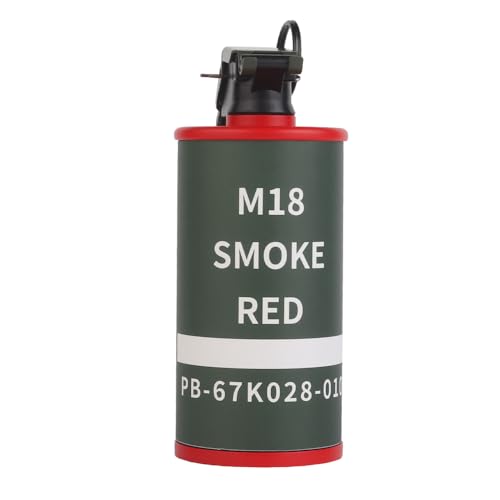
High Quality Material: Made of high-strength ABS plastics. Durable and waterproof(no function).
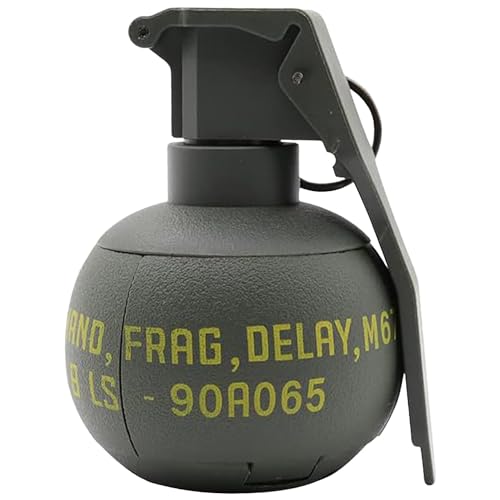
【Product Materials】- This product is made of nylon plastic. This product is intended for ages 14 and up only.
The Five Biggest Safety Risks of Smoke Bombs
Chemical exposure from smoke bomb fumes is a significant safety risk. Inhaling zinc chloride smoke can irritate your respiratory system, eyes, and airways, causing discomfort and potential health issues. Even small doses in poorly ventilated areas can lead to delayed lung toxicity, with symptoms appearing days after exposure. This means you might not realize the danger until it’s too late, making it crucial to avoid using smoke bombs indoors or in confined spaces.
Burn hazards also pose a serious threat. The casing that contains the smoke and the smoke exit point can become extremely hot, capable of causing skin burns if touched. Sparks generated during lighting or from the explosive charge can ignite dry grass, leaves, or synthetic fabrics nearby, leading to uncontrolled fires. Using a smoke bomb outdoors in an open area reduces this risk but never eliminates it entirely. Always keep a safe distance and handle with care.
Using smoke bombs in confined spaces amplifies these dangers. Poor ventilation can quickly lead to overwhelming levels of fumes and smoke, increasing the risk of respiratory distress or suffocation. Hot residues from the bomb itself or dyes used for coloring can contaminate skin and eyes, causing burns and permanent stains. Prolonged exposure or contact with hot materials significantly raises your chances of injury and health complications.

Spring-powered shower "explodes" upon impact while being eco-friendly and reusable, eliminating the need for CO2, propane or green gas

High security with solid and durable

POWERFUL ODOR ELIMINATOR: Permanently destroys tough odors including smoke, pet smells, food scents, and gym gear with 99.99% effectiveness—an ultimate car odor eliminator for stubborn vehicle smells
How to Use a Smoke Bomb Safely Outdoors
To use a smoke bomb safely outdoors, you must follow crucial safety steps. Select an open, well-ventilated area with ample clearance, away from buildings, vehicles, and bystanders. Always check if you need permission to use the spot. Handling wind is vital: stand upwind so smoke blows away from people and structures, and confirm smoke won’t drift toward anyone. Ensure the surface is stable by placing the smoke bomb on concrete, asphalt, packed dirt, or a metal tray—never on dry grass or leaves. Wear long sleeves and eye protection, especially if handling the device directly. Keep the emission port angled away if you are holding it. When ready, ignite with a long lighter, step back immediately, and supervise the device until it cools down completely. To further understand safe reuse practices, note that foil balloons can be reused only if they remain fully intact and free of leaks.
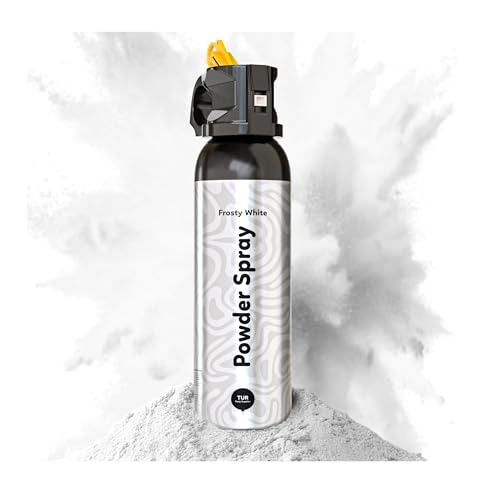
WHAT’S INCLUDED – Each package contains one (1) 12-inch powder spray launcher pre-filled with vibrant, biodegradable, and non-toxic colored powder.

High security with solid and durable

WHAT'S INSIDE - Each box has one (1) 12 inch powder spray filled with vibrant biodegradable non-toxic powder.
Why Homemade Smoke Bombs Are Much More Dangerous
Homemade smoke bombs are far more dangerous because you’re handling unknown chemicals with unpredictable reactions. Ingredients like potassium chlorate or heavy metals can cause skin burns or allergic reactions if not measured or stored properly. These substances are unregulated and often misused, increasing the risk of chemical accidents. The reactions inside homemade devices can suddenly ignite or explode, especially without proper safety controls. Unlike professionally manufactured options such as LED strip lights, which use low-voltage components and sealed casings to prevent electrical or thermal hazards, homemade setups lack any built-in fail-safes. Your respiratory health is also at serious risk. The smoke produced contains irritants that can trigger coughing, wheezing, or shortness of breath, especially in enclosed spaces where toxic gases like carbon monoxide can accumulate. Additionally, your homemade device might ignite nearby flammable materials, spread flames to clothing or surroundings, or send hot debris flying unexpectedly. A foil balloon can be similarly risky if deflated improperly, as sudden pressure changes or punctures may cause it to pop or leak. Since you lack proper labeling and safety guidance, you are essentially blind to these dangers. Handling such a project without appropriate training or protective equipment significantly heightens the potential for injury.
How to Safely Dispose of a Used Smoke Bomb Canister
Once the smoke from a used canister stops, you must cool it completely before handling it. Residual heat can last for ten minutes or more and can cause reignition. To ensure safety, submerge the canister in a metal bucket filled with water for at least 30 minutes. This step extinguishes any remaining embers and reduces the risk of fire. Skipping this step could leave hot spots that may reignite, creating a serious fire hazard.
Environmental concerns are equally important. Never dispose of the canister in drains, soil, or open spaces because of contamination risks. Check with local disposal facilities, as some authorities consider spent smoke canisters as pyrotechnic waste. These often require dropping off at approved collection points or hazardous-waste facilities. If permitted by local regulations, you may place the cooled, soaked canister into regular trash. When in doubt, contact your fire station or waste authority for specific disposal instructions. Always wear gloves until the canister is completely inert to avoid contact with any residual chemicals or heat.
Is It Legal to Buy Smoke Bombs in Your State?
Legal status of smoke bombs varies by state. In many states like Wisconsin, they are not classified as fireworks and are relatively easy to purchase, provided you meet age requirements—typically 18 or 21. However, in states such as Connecticut, Maryland, Illinois, and Massachusetts, possession or sale may be illegal without a permit, making it essential to review your local laws. The classification of a smoke bomb as a firework or novelty impacts what you can legally buy and use. Always consult your state fire marshal’s guidance and local city ordinances, as they can override state regulations. Be aware that a retailer’s shipping policy is not the same as legality; safety and legal compliance are key factors. Private property use is usually safer and more straightforward than public spaces, where regulations tend to be stricter. For comparison, some weddding traditions, such as using audio guest books, have no such legal restrictions and are widely available.
What to Do After a Smoke Bomb Burns Out
After a smoke bomb burns out, do not touch the device immediately. The casing can stay hot for up to 15 minutes, so wait at least 60 seconds or follow the specific instructions provided with the product. Use a glove and place the device in a metal bucket filled with sand or water to cool it down safely. These precautions help prevent burns and reduce fire hazards.
To dispose of the device safely, verify that it is fully extinguished. Submerge it in a metal bucket of water for at least half an hour. Never throw a warm canister into the trash. Once it is completely cooled and soaked, it can usually be disposed of as regular waste, but always check local regulations to be sure. Ventilate the area for 15 to 30 minutes to clear away any residual smoke and irritants. Finally, clean any residue promptly; porous surfaces can absorb stains quickly, and fabrics may require hot-water washing to remove any lingering residue.