If you’re wondering how to keep your silk flowers looking fresh and damage-free while stored, the key is proper preparation and careful packing.
You want to prevent crushing, discoloration, and dust buildup so your blooms stay beautiful for longer.
By following a few simple steps, you can ensure your silk flowers stay pristine, protected from humidity and mishandling.
Keep reading for all the tips you need to store your silk flowers effectively.
Clean and Dry Silk Flowers Before Storing
To keep silk flowers clean and dry before storing, start by dry-cleaning them to prevent dust buildup and staining. Shake the flowers gently inside a bag filled with rice or cornmeal to loosen dirt and debris. Then, use a soft brush or compressed air to carefully clean the petals and stems, being gentle to avoid damaging delicate areas. For stubborn grime, lightly dab a damp cloth dipped in mild soapy water—test this method on a hidden spot first to ensure the colors won’t fade. Avoid soaking the flowers; instead, rinse them with a clean, damp cloth. For best results, hold the compressed air at least six inches from the petals to prevent tearing. A quality ring light provides consistent, shadow-free illumination that makes it easier to inspect your flowers for any remaining dust or damage before storage. After cleaning, allow them to air-dry upright on a towel, making sure to check every crevice for dryness. Following Martha Stewart’s advice, avoid common mistakes like using harsh chemical cleaners or scrubbing too hard, as these can cause discoloration or fraying. Proper drying helps preserve the colors and prevents mold growth, keeping your silk flowers looking fresh and ready for future use.
Choose Containers That Protect Silk Flowers From Crushing
Choose rigid, hard-sided containers that resist crushing, such as sturdy boxes or bins with secure lids. Size the container larger than your arrangement to prevent petals from being pressed against the walls, and opt for shallow designs so fragile blooms stay in a single layer. Avoid soft bags, which provide little shape protection. Instead, select containers with lids that close firmly without pressing on the flowers. Ensure the containers can withstand stacking weight without collapsing, and place them where nothing will pile on top. To further protect delicate petals, you can also repurpose foil balloons by cutting them open and using the material to cushion the base of the container. For round arrangements or individual stems, use specialty floral or compartment-style boxes to minimize movement. Label containers clearly to prevent reuse for heavy storage, and use tight lids to keep out dust and maintain the shape of your silk flowers. Consider using sturdy boxes that can also be repurposed as DIY preschool graduation backdrops to maximize your storage investments. For fun celebratory projects, you can easily decorate the same boxes with leftover hen do photo booth props to add a festive theme.

Collapsible Design for Easy Storage: This storage bin folds flat when empty, allowing it to be tucked into a closet, drawer, shelf, or suitcase. A convenient option for organizing clothing, toys, craft materials, towels, office supplies, and other household items.

Floral Storage Bin: Crafted from a blend of polyester and paper, this pink flower storage box combines lightweight flexibility with reliable structure. The fabric surface gives a smooth finish while the inner paperboard support helps the decorative storage box maintain its shape during daily use

Packaging Information: You will receive 15 pcs portable flower boxes for bouquet. Each gift bag measures 5.9"L x 4"W x 4.1"H; Our flower gift boxes are designed in stylish black, pink and white, giving you more choices and making your gifts more amazing.
Pad Delicate Stems and Blooms With Acid-Free Tissue Paper
Using acid-free, unbuffered tissue paper is essential for protecting delicate silk flowers. Regular acidic tissue paper can yellow over time and cause the silk to degrade, leading to deterioration. To prevent this, choose tissue with neutral pH that will not transfer acid to your blooms. Soft tissue padding around each flower head helps maintain its shape and cushions petals, preventing them from flattening under pressure.
Wrap the stems with tissue along their entire length to support flexibility and avoid sharp bends that could cause permanent damage. Additional tissue around glued or wired junctions safeguards these fragile points from tearing. When storing multiple flowers, separate each with its own tissue layer to prevent abrasion and petal damage caused by contact.
Ensure you use acid-free, neutral pH tissue exclusively, as it is the safest option for preserving silk. This prevents acid migration and color transfer that could lead to long-term discoloration or weakening of your flowers. Proper tissue padding and careful wrapping keep your blooms pristine and looking fresh for years.
Store Silk Flowers in a Cool, Dark, Dry Closet
Silk flowers should be stored in a cool, dark, dry closet to prevent fading and deterioration. Keep them away from direct sunlight, which causes yellowing, especially on pale blooms. A climate-controlled environment with temperatures around 60–75°F prevents heat from softening glue or warping petals. Maintaining humidity levels below 55% helps avoid mold, musty odors, and corrosion on wired stems. Choose a closet with low traffic to minimize crushing and dust exposure. For wedding keepsakes like an audio guest book, recording memories in a dry environment protects the device from moisture damage. Regularly check the storage space for pests, ensuring it remains dry since moisture attracts insects. Elevate storage bins on shelves to help preserve their shape and label containers to reduce handling. Avoid storing silk flowers in attics, garages, or damp basements, as these areas often lack a stable environment. For outdoor or event displays, a mesh banner offers better wind resistance than vinyl alternatives. For creative photography, colored smoke bombs can add dynamic visual effects to flower arrangements. Proper storage in a controlled space keeps your silk flowers vibrant and in good condition for years.
Add Silica Gel Packets to Airtight Storage Containers
Adding silica gel packets to your airtight storage containers provides passive moisture control, which is essential even in a cool, dark, dry closet. Place a few packets at the bottom of the container, ensuring they are not buried—this allows them to interact freely with the air inside. The packets work by adsorbing ambient water vapor, buffering the humidity levels and helping to prevent mold growth on your silk flowers. For maximum effectiveness, make sure your container seals tightly, with lids that fit securely or gaskets that prevent outside air exchange. Each packet can protect approximately 600 cubic inches of enclosed space, making it easy to calculate how many you need for your storage container. Regularly check indicator packets to see if they’ve saturated and need replacing. Using silica gel packets is a simple yet effective way to keep your silk flowers crisp and damage-free over time.

GOOD ADSORPTION CAPACITY: Silica gel desiccant is a highly active adsorption material, has good thermal properties and chemical stability, and does not react with other substances.

Premium Quality & Reliable Performance Proudly produced with high-grade materials and strict quality standards, these silica gel packets deliver dependable moisture control in various environments. Perfect for home, vehicle, pantry, and filament storage bags, helping maintain a dry and clean space.

FAMILY-FRIENDLY MOISTURE CONTROL: Keep your snacks crispy and medications potent by keeping ambient moisture at bay; Crafted with premium, odorless silica gel and non-toxic fabric, Vbeijll Desiccants offer gentle yet effective protection for your home [Note: Packs ≤ 5g feature food safe wrapping for direct contact with food & medicine; Packs > 5g are recommended for placement alongside items rather than direct mixing, without affecting absorption]
Label and Organize Arrangements for Easy Retrieval
To ensure your silk flower collection is easy to find and maintain, organize your arrangements by type—such as roses or hydrangeas—and then categorize them further by event type like everyday, wedding, or holiday. Keep similar color palettes together to streamline selection and prevent mismatched displays. Store centerpieces separately from accent pieces to avoid clutter and confusion. Maintain a detailed inventory list that includes container numbers and their locations, updating it each time you add or remove items. For quick access, place bins that you frequently use toward the front of your storage area. This systematic approach minimizes searching time and keeps your silk floral supplies organized and accessible. For example, you can use a ring bearer pillow as a soft, padded base to display delicate silk blooms. For event setups, you can also draw inspiration from uplight placement strategies used to highlight centerpieces and accent pieces at specific focal points. When tackling lighting for stored displays, always check if your existing fixtures can be safely modified, since improper cutting of integrated circuits can cause irreversible damage to the entire unit.
Fluff and Reshape Silk Flowers After Removing From Storage
Once your silk flowers are removed from storage, gently separate compressed petals and leaves to restore their natural shape. Start by pulling the outer petals away from the center of the bloom in small sections, working your way around the flower. Keep the inner petals compact while opening the outer ones for a more realistic appearance. Use your fingers to lift, spread, and fan the petals back into place, adjusting their curves to look natural. For a more natural look, ensure petals curl upward like a cup rather than downward, since real ranunculus petals grow upwards and only droop when wilting. To reshape wired stems and leaves, bend them gently toward their original positions, avoiding any sharp angles that can look unnatural. If stubborn creases or folds remain, apply a hair dryer set to low heat and move it continuously over the area. Hold the warmed petals in place until they cool and set into their new shape. Finish by checking the flower’s symmetry. Rotate it to see how the petals are distributed and open parts differently to avoid perfect uniformity. Curve the stems slightly to mimic the growth patterns of real flowers, creating a fuller and more authentic look. Only return the flower to your arrangement once it feels balanced and full, with each element in its natural position.
Fix Common Silk Flower Storage Problems Like Musty Odors
Musty odors in silk flowers are usually caused by trapped moisture, poor airflow, or dust buildup. First, check for mold; white fuzz indicates you need to isolate the arrangement immediately. For mild mold, wipe the petals with a solution of vinegar and water, then place the flowers in a well-ventilated area for a full day to dry. Always ensure flowers are completely dry before storing to prevent moisture buildup. Use breathable wrapping materials like cloth or paper instead of airtight plastic bags, which can trap stale air and smells. For high-volume arrangements, a professional balloon pump can help inflate storage bags or display items with consistent airflow. Including silica gel sachets in your storage can absorb excess humidity and keep the environment around your flowers at 30 to 50 percent relative humidity. To protect color clarity, store your silk flowers in cool, dark places with UV protection to minimize fading. Before packing, remove dust and grime with a gentle brush or cloth to maintain freshness and avoid storing in damp zones such as basements or humid closets. Regularly check stored flowers so you can spot any odors early and prevent irreversible damage. For additional inspiration, consider adding photo booth props to your storage space to complement your floral displays. Using a white backdrop paper can help you photograph your stored flowers for inventory or display ideas.

Excellent Moisture Absorption: Our silica gel packets has transparent silica gel beads inside, decassant packs has high moisture absorption, which can effectively absorb the humidity in the air, keep the items in a dry state, and prevent the moisture from damaging the items

🇺🇸 Premium Quality & Reliable Performance Proudly produced with high-grade materials and strict quality standards, these silica gel packets deliver dependable moisture control in various environments. Perfect for home, vehicle, pantry, and filament storage bags, helping maintain a dry and clean space.
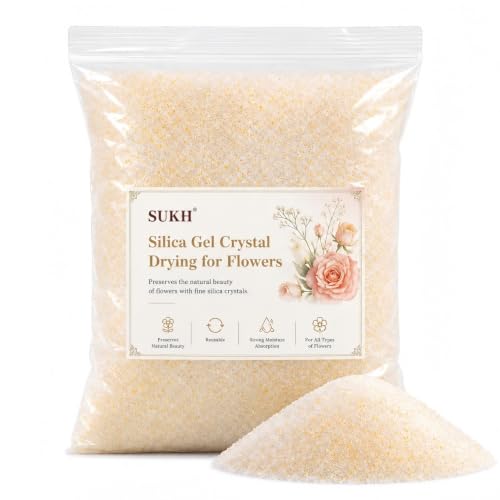
Efficient Moisture Absorption: Silica gel drying crystals are an efficient moisture absorber silica gel material, quickly and thoroughly removing moisture from flowers and plant materials to preserve their original shape and color