If you’re wondering how to keep your silk flowers looking fresh without damaging them, you’re in the right place.
Cleaning silk blooms isn’t complicated, but doing it gently is key to maintaining their beauty. Whether dusting or giving them a deeper refresh, you’ll soon find the best methods for your blooms.
Keep reading to learn simple, effective ways to keep your silk flowers spotless.
How to Dust Silk Flowers Without Damaging Them
To dust silk flowers without damaging them, start with gentle methods. Use a soft-bristled brush to lift dust by sweeping from the base outward, which helps prevent snagging delicate petals. A clean microfiber cloth works well on smooth surfaces; gently wipe without applying pressure. For stamens and textured centers, a fluffy makeup brush provides precise cleaning. To remove dust via air, set a hair dryer to cooled air and blow dust away from a few inches distance. Support the arrangement firmly while directing airflow to stop movement or damage. Clean one flower at a time by holding stems steady to maintain control. Performing routine weekly dusting will help preserve the flowers and prevent dust buildup. Always use light pressure—avoid hot air, aggressive scrubbing, or heavy suction—since these can harm the fragile fibers of silk flowers. Some silk flower arrangements incorporate faux vines or stems, which can be gently cleaned using similar light dusting methods to protect their coating. Martha Stewart recommends using a clean microfiber cloth for smooth surfaces to avoid scratching the petals. For larger arrangements, using a soft-bristled brush can help reach between crowded stems without disturbing the display.
Dry-Cleaning Silk Flowers With Salt or Rice
Dry-cleaning silk flowers with salt or rice is an effective method for dust removal without using moisture. To do this, place your flowers in a sealed bag with a handful of coarse salt or uncooked rice. Shake the bag gently for 1 to 2 minutes. The friction helps lift dust from crevices and layered petals while preserving the artificial structure. Use light motions to avoid bending petals or loosening glued parts. After shaking, tap out any loose residue and gently brush away trapped grains with a soft brush. This technique works best for lightly to moderately dusty arrangements. Before applying it to your entire bouquet, test on one flower to ensure the construction holds. Do not use this method on stains or heavily soiled flowers. Shake outdoors to prevent dust from spreading indoors. For events, consider choosing floor decals that complement your floral arrangements for a cohesive decorative theme. Consider pairing this maintenance task with party favor ideas for a cohesive event-planning routine. If your silk flowers are part of a larger event display, you can apply similar gentle cleaning principles to reuse foil balloons safely for multiple occasions.
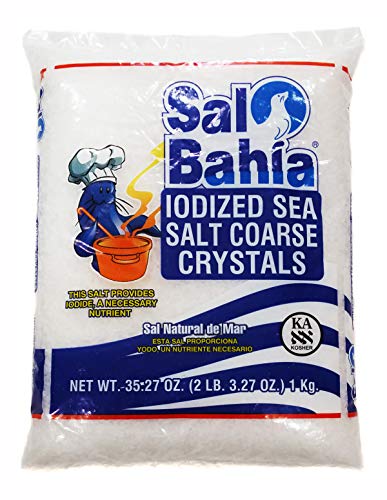

Premium kosher sea salt from the Mediterranean

Mineral-Rich: Unrefined to preserve essential minerals, our Baja sea salt enhances the flavor & nutritional value of your dishes. This coarse salt for grinder refill adds depth to every dish, making it a healthy & flavorful choice for your kitchen.
How to Give Silk Flowers a Gentle Wash With Soap and Water
To give your silk flowers a gentle wash with soap and water, start by mixing a small amount of mild dish soap with lukewarm or cool water. Hot water should be avoided because it can cause the colors to fade or the fabric to warp. Dampen a soft cloth or sponge with this soapy solution, then carefully wipe each petal and leaf. For tight spaces and crevices, use a cotton swab to reach in without applying too much pressure. Remember, don’t scrub; a light touch helps protect the delicate fabric. For tough dirt, consider using a gentle LED setting as a tool to inspect for missed spots, but avoid directing heat at the flowers. You can also fluff the petals gently with your fingers to restore their natural shape, mimicking the real look of fresh blooms.
After cleaning, rinse each area with a clean, damp cloth to remove any soap residue. Leftover soap can attract dust and diminish the vibrant look of your silk flowers. Once rinsed, allow the flowers to air-dry completely on a towel. Proper drying is important to prevent moisture buildup that can lead to mold or mildew. Before cleaning the entire arrangement, test one petal first to ensure the colors do not bleed or fade. This method keeps your silk flowers looking fresh and vibrant while avoiding harsh chemicals.

Includes 1 soap dish

Flower Inspired Design: Inspired by the natural beauty of Yellow Daisy flowers, this stylish soap dish brings a touch of nature and elegant into your bathroom.
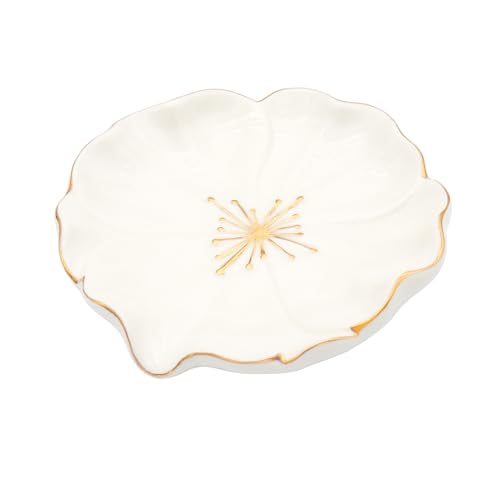
Flower Inspired Design: Inspired by the natural beauty of Hibiscus flowers, this stylish soap dish brings a touch of nature and elegant into your bathroom.
Deep Cleaning for Soiled Silk Flowers in Soapy Water
Deep cleaning silk flowers with a soak in soapy water can be effective for heavily soiled pieces. First, test one petal for colorfastness by applying a small amount of water and mild dish soap. Use lukewarm water—hot water can harm the glue and finishes. Remove loose dust from the flowers before submerging them, and only soak the parts that are durable and colorfast. Swish the flowers gently for about 10 to 20 seconds; avoid soaking them for extended periods. Work in small sections and gently rub any dirty areas, steering clear of scrubbing or twisting to prevent damage. For heavily soiled arrangements, consider using silk flowers as a durable alternative to fresh for events that require long-lasting decor. Before beginning, ensure your workspace is well-ventilated and you have a gentle touch, similar to adjusting the pressure settings on a helium tank to avoid mishandling. For parties, these same gentle methods also help preserve the appearance of welcome signs used as durable decor.
Next, rinse the flowers quickly with cool water to wash away any soap residue, which, if left, can attract more dust. Shake off excess water gently, then lay the flowers flat on a clean towel. While they are still slightly damp, reshape the petals and leaves to maintain their natural appearance. Allow the flowers to air dry completely to prevent mildew buildup. Keep in mind, this cleaning method works best on polyester blooms and is not suitable for fragile or antique silk flowers.
Authentic Six Flowers attraction formula
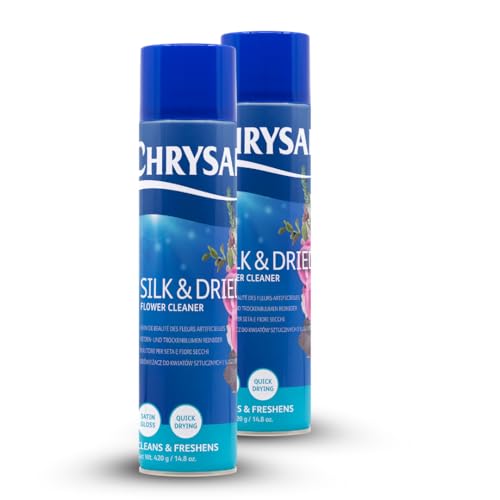
Chrysal Silk & Dried Flower Cleaner Spray(14.8 oz.): If you're looking for a way to keep your artificial plants and flower arrangements looking beautiful and pristine, you should definitely try this artificial plant cleaner spray. It helps to restore the beauty and shine of your fabric flowers and plants, making them look as good as new.

INSTANT SHINE & FRESHNESS: Transform your artificial plants with our Silk Plant Cleaner Spray No Wipe. This powerful fake plant cleaner clears away dust and dirt in seconds, revealing vibrant, fresh greenery that brings your home to life. Enjoy a brighter, more inviting space with minimal effort
Simple Spot Stain Removal for Silk Flowers
For lighter stains that don’t require a full soak, spot cleaning is your best option. Mix a small amount of mild dish soap with lukewarm water and dab the stain with a slightly damp cloth or cotton swab. Never rub or oversaturate the area, as this can damage the delicate fibers and fade the colors. This gentle approach helps keep your silk flowers vibrant while effectively lifting dirt, sticky residue, or food splatters. For tougher spots, a diluted white vinegar solution can be helpful—apply it briefly and then blot. Always rinse the cleaned area with a clean, damp cloth and dry it by blotting. Before proceeding, test your cleaning solution on a hidden part of the flower to avoid any unwanted discoloration. Avoid using hot water or harsh scrubbing techniques, which can damage the silk fibers and diminish that fresh flower appearance. For a more detailed approach to preserving delicate items, consider the same care principles used for choosing the perfect pillow for your ring bearer. You can also draw inspiration from bridal shower backdrop ideas to style your silk flowers as part of a larger decorative theme. For instance, when planning a decorative display, using a clean cloth to gently blot moisture mirrors the careful technique recommended for creating your own welcome signs.

🌺 Superior Cleaning Power: Our silk flower cleaner spray is the perfect match for your silk and artificial plants for indoor home decor. This artificial plants and flower cleaner is the solution to dusty-looking home ornament that has been sitting at your house for years. This Artificial Plant Cleaner is a powerful formula that effectively removes dust, dirt, and grime from your artificial plants, leaving them looking clean and fresh.

NO-WIPE SILK PLANT CLEANER THAT ACTUALLY WORKS: Spray it on dusty silk flowers, faux leaves, and artificial tall plants - and just let it drip dry. No wiping, no rinsing, no bent petals. See it to restore shine that you forgot your plants had.

Chrysal Silk & Dried Flower Cleaner Spray(16.9 oz.): If you're looking for a way to keep your artificial plant and flower arrangements looking beautiful and pristine, you should definitely try this artificial plant cleaner spray which helps to restore the beauty and shine of your fabric flowers and plants, making them look as good as new.
How Often to Clean Silk Flowers Based on Dust Exposure
The frequency of cleaning your silk flowers depends on how much dust they gather, so adjust your routine according to your environment. In low-traffic areas with minimal dust, dust them every 2 to 4 weeks to keep them looking fresh. For spaces with moderate dust exposure, like living rooms or near vents, dust weekly since open windows and air circulation can accelerate dust buildup. In high-traffic homes or outdoor displays under cover, clean once a week to prevent stubborn dust and dirt from settling. When considering protective coverings for events, custom tablecloths with logo can help maintain a clean and branded display. Using mason jar fairy lights can also add a gentle glow that highlights the flowers’ color without attracting extra dust.
Placement also influences how often you need to clean. Silk flowers in kitchens or entryways trap airborne particles faster and should be dusted weekly. Seasonal decor placed in dusty spots requires weekly attention during display periods. Keep an eye on their appearance; dull petals or buildup indicate it’s time for a clean. Matching your dusting schedule to your environment ensures your silk flowers stay vibrant without extra effort. For busy weddings, consider using a best audio guest book that captures voice recordings instead.