Ever wonder what yard signs are really made of? Whether you’re considering a quick indoor display or a long-lasting outdoor campaign, the material matters.
Different options like corrugated plastic, paperboard, vinyl, and aluminum each offer unique benefits suited to various needs and budgets.
Keep reading to find out which material is best for your yard sign project.
Which Yard Sign Material Is Best for Your Campaign?
Which Yard Sign Material Is Best for Your Campaign?
The material you choose for your yard signs depends primarily on how long you need them to stay visible. For campaigns lasting just six to eight weeks, paperboard is suitable because it’s inexpensive and easy to produce quickly. However, keep in mind that its lifespan is limited, and it will start to deteriorate after this period. Applying balanced arrangement techniques from floral design can make your signs more visually appealing.
If your campaign extends from six months to two years, corrugated plastic is a practical option. It offers a balance between affordability and durability, though it is not biodegradable, which may be a concern environmentally. For medium-term campaigns, typically lasting one to three years, vinyl or PVC signs are better suited. They resist weather better and hold up longer but come at a higher cost. To improve on-camera visibility during video shoots, some creators pair their signs with a ring light with stand for consistent illumination.
For campaigns expected to run three to five years, aluminum signs are the strongest choice. Although they require a larger initial investment and are heavier to ship, they resist the elements effectively and last significantly longer. Your choice of material should always reflect how long you need visibility and fit within your campaign budget.

[HIGH QUALITY MATERIAL] The yard sign is made of corrugated plastic material, 4mm thick, sturdy. It is waterproof, wind resistant, moisture-proof, not easy to drop or tilt. It can withstand any weather condition, which can reused indoors and outdoors. H stakes are made of galvanized steel, not easy to rust. The yard signs with stakes allows for year-round usage

6 Blank signs and 6 metal H-stakes pack in one package; Much less expensive

Size: 18" x 12", 4 mm thick, for the plastic yard signs. 17.5" x 7" for metal stakes.
Why Corrugated Plastic Is the Most Popular Yard Sign Material
Corrugated plastic offers unmatched cost efficiency at every stage. Its lightweight nature significantly reduces shipping expenses. The material’s high weather resistance—handling rain, UV exposure, heat, and cold—ensures your sign remains intact despite the elements. Because it’s durable enough for multiple uses, you can reuse signs across different campaigns, further controlling costs over time. This reusability echoes the principles of reusing foil balloons, where careful handling and storage can extend the lifespan of temporary outdoor materials. Additionally, the surface readily accepts full-color UV printing, providing sharp, vibrant messaging that catches attention. For temporary outdoor promotions where budget and practicality matter, corrugated plastic hits the sweet spot perfectly.

【DIY Your Own Sign】These blank yard sign is made of white plastic board that allows you write any custom message with erasable markers, it is very easy to wipe up to reuse, , a waterproof paint pens are recommended to use if you want to keep the content for a long time.

Size: 18" x 12", 4 mm thick, for the plastic yard signs. 17.4" x 7" for metal stakes.
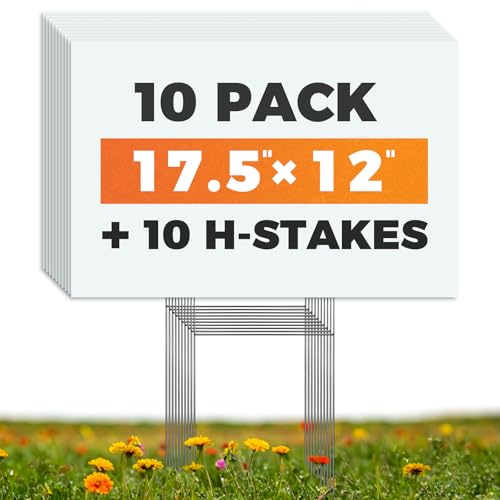
17.5x12" Thick Blank Signs – Customizable & Crystal Clear:Premium 4mm corrugated plastic resists rain,fading,and bending.Write anything with markers or paint – never scratch or tear
How 4 Mm Corrugated Plastic Handles a Single Season Outdoors
A 4 mm corrugated plastic sign is designed to last for a single outdoor season, typically between six and twelve months depending on your local conditions. Its waterproof, fluted construction effectively sheds rain and snow, preventing water absorption and damage. However, expect some color fading over time, especially if your sign faces direct sunlight. UV exposure gradually degrades printed graphics before the plastic itself begins to fail. For arranging silk flowers on the sign, consider using a specialized floral foam that holds stems securely without absorbing moisture. This makes 4 mm thickness ideal for temporary uses such as real estate signs, event banners, or campaign advertisements. For backdrop applications, a sturdy foam board is a better alternative for indoor use as it does not warp or fade like corrugated plastic. Mount it with standard wire stakes, and it can withstand moderate winds up to 20–30 mph. For optimal performance and longevity, place it in a sheltered location and understand that vibrant colors may fade faster under intense sunlight. For those needing a longer-lasting option, review the top school banners that use thicker materials for extended durability.
Upgrade to 6 Mm for Windy Areas or Longer Use
Upgrading to 6 mm corrugated plastic provides the added durability you need for windy areas or extended outdoor use. This thickness offers extra rigidity that resists flutter in gusts over 30 mph, helping larger panels like 24 by 36 inches stay flat and readable. For prolonged outdoor exposure, choose UV-stabilized sheets to combat sun damage, and consider eco-friendly options like recycled polypropylene to reduce waste. Customization remains straightforward: direct printing or vinyl application works just as well on the thicker substrate. Expect your sign to last through multiple seasons, but keep in mind that sunlight can still degrade polypropylene over time. When you face windy roadside conditions or plan for multi-month campaigns, 6 mm corrugated plastic delivers the durability you need without resorting to heavier materials. For outdoor settings with combined shade and lighting needs, similar structural reinforcement principles apply to patio umbrella bases that anchor against gusts. If you require covers that fit well on temporary seating, look for folding chair covers with reinforced stitching to withstand shifting winds. For reliable nighttime visibility, solar string lights work well when placed along a fence or pathway near the signs.


Size: Standard 8" x 12" sign blank holders, 20mm thick corrugated plastic sign is durable, waterproof and reusable

Size: 18 inches tall x 12 inches wide, 4 mm thick.
Aluminum Yard Signs: Built for Years, Not Seasons
Aluminum yard signs are built to last for years of outdoor exposure. Unlike corrugated plastic, which is suitable for seasonal campaigns, aluminum resists rust and surface wear, making it ideal for long-term use. With proper finishes such as powder coating or UV protection, these signs can maintain their appearance for 3 to 15 or more years. They withstand climate fluctuations like rain, humidity, and coastal air without warping or cracking. Their lightweight yet rigid construction allows for easy installation while ensuring stability. The smooth surface provides a professional look with crisp graphics that resist fading over time. Typically, aluminum signs utilize materials like .040 aluminum or composite panels with a polyethylene core, adding stiffness and durability. For a decorative indoor touch, couples might also consider romantic Valentine’s Day table runners to complement their outdoor signage. Because they are weatherproof and low-maintenance, aluminum signs are the preferred choice for real estate, wayfinding, and storefront applications where longevity matters. For event organizers, a step and repeat backdrop offers a similar durable and reusable solution for photo backdrops. Investing in aluminum may cost more upfront, but it pays off through sustained performance and minimal upkeep over the years. When selecting a sign for a wedding ceremony, the same focus on durability applies to choosing the perfect pillow that will hold the rings securely.

Decorative aluminum post with durable powder coat finish in black

Perfect Viewing Height (48 Inches):Achieve perfect visibility with this 48-inch tall sign post, designed to elevate your yard signs and make them clearly visible from a distance. Whether used for address markers, decorative signs, or directional indicators, this sturdy stake ensures your message stands out in any outdoor setting.

Solid Metal Aluminum: Worked with a Architectural Lab, running 156 tests on 19 materials. Our 80 mil solid aluminum build feels tough, way better than flimsy plastic or mixed layered sign, and unlike steel, our all-aluminum sign do not rust.
PVC and Paperboard: When to Use Them (and When to Skip)
PVC is ideal for outdoor signs expected to last several months. It provides rigidity and weather resistance that helps it withstand rain and humidity, maintaining a polished look. However, extreme heat can cause warping, so avoid PVC if high temperatures are a concern. For short-term indoor displays or environments with consistent heat, skip PVC because it’s not suitable and could deform. Similarly, when selecting lighting for such environments, look for options that offer high temperature resistance, as some LED strip lights are better suited to handle heat without degrading.
Paperboard suits indoor or quick outdoor campaigns lasting 6 to 8 weeks. It’s less durable in moisture, which can cause warping and peeling, ruining the sign’s shape. Avoid using paperboard when rain, dew, or high humidity are likely, as it fails quickly outdoors. Consider environmental factors too: paperboard is easier to recycle and dispose of, but it isn’t built for outdoor longevity. Use it only when your timeline is short and environmental conditions are dry.
What Makes Corrugated Plastic So Light and Strong?
Corrugated plastic is both lightweight and strong because of its fluted twin-wall structure. This design combines two flat outer skins with a corrugated, or fluted, core in between. The air pockets created by the flutes reduce the amount of material needed, making the sheet lighter without sacrificing strength. The internal ribs, similar to the beams in a building, distribute the load evenly across the sheet, enhancing its rigidity. Polypropylene, the typical material used, offers toughness that allows the sheet to bend rather than crack under stress. Additionally, the corrugated core absorbs impacts and stress, preventing localized damage. This combination results in a durable yet manageable sheet—easy to handle and install, capable of repeated use without sagging or breaking. Its low density of around 0.3 grams per cubic centimeter keeps it light, while its flexural strength of 30 to 50 MPa ensures it remains stiff and stable during use.
Weather Resistance Showdown: Corrugated Plastic vs. Aluminum vs. PVC
Corrugated plastic is suitable for short-term applications but falls short for long-term durability. It is waterproof and resists rain well, making it a good choice for temporary outdoor signage. However, exposure to UV rays causes it to fade and warp within one to two years. Its lightweight nature makes it easy to handle and install, but it lacks resistance against prolonged sun and weather exposure. For projects lasting just a few months, corrugated plastic is cost-effective and convenient, but if you need signage to withstand outdoor conditions for more than a year, other materials like aluminum are preferable. Unlike this material, a paper flower garland is intended strictly for indoor decorative use and cannot withstand any outdoor weather exposure. Just as cut flower care requires immediate hydration and cool storage to prevent wilting, corrugated plastic needs sheltered placement or UV-resistant coatings to slow its degradation. For comparison, transporting such signage requires careful handling, much like how sparklers are banned from carry-on luggage due to their combustible nature and safety risks.

🌟 Superior Material & Unbeatable Durability: Crafted from robust 4mm thick corrugated plastic, our yard signs stand tall against any weather challenge. Waterproof, wind-resistant, and moisture-proof, they're designed to endure. No more worries about drooping or tilting. Plus, our galvanized steel H stakes ensure rust resistance for year-round use.

2 Pack Blank Yard Signs with Stakes: Including 2 set of blank corrugated plastic signs and 2 metal H-stakes. Sign board size: 17"*12", H stake size: 6"*15"

Complete Set, Easy Installation: You'll receive 10 pack 17x12-inch yard signs and 17x6-inch yard sign stakes. Securely stake them into the ground without tools , just pop them in and go. Easily arrange your outside space
Can You Recycle Corrugated Plastic Signs? Here’s the Truth
While corrugated plastic signs are technically recyclable, you generally cannot just toss them into your curbside bin. Many recycling programs reject these signs because they can jam sorting machinery and often have tape, labels, or metal stakes attached. Their recyclability depends entirely on your local rules. It’s important to check whether your area accepts them first; many programs send these #5 polypropylene signs directly to the trash.
If your local facility does accept them, you must remove all non-plastic parts beforehand. This includes tape, labels, and metal stakes. Cleaned sign sheets can then be melted into pellets for making new products—this process improves their environmental impact. If local recycling isn’t an option, reusing the signs is your best strategy for waste reduction, similar to how retractable banner designs can be updated with new graphics instead of thrown away. This approach mirrors how silk flowers are often preserved for multiple events instead of being discarded after a single use. For events, cold sparklers provide a reusable, safe, and spectacular alternative to traditional fireworks that require no cleanup. Never assume that recyclability means easy disposal—doing the research and preparation is on you.
Match Your Yard Sign Material to Your Campaign Timeline
For campaigns lasting less than three months, corrugated plastic is your best material choice. It is lightweight, weather-resistant, and designed for temporary use. Outdoors, it can last up to two years with UV-stable inks, though strong winds may shorten that lifespan. Corrugated plastic is practical for mid-campaign expansion because it can be reordered quickly and at a low cost, allowing you to fill gaps easily. It also serves well across multiple seasons without needing a permanent substrate. However, consider environmental impacts, as corrugated plastic is not easily recyclable in many areas, so plan for proper disposal. For campaign durations between three and twelve months, it remains effective if monitored regularly. Only opt for aluminum if your campaign extends beyond a few years, as over-investing in durability for shorter timelines may not be cost-effective. Just as white chair covers are designed for temporary event use, corrugated plastic yard signs prioritize practicality and affordability for short-term campaigns.