Ever wonder how to make a fog machine at home without expensive equipment? With just a metal can, a candle, and a simple fluid mixture, you can create fog for parties or decorations. It’s a straightforward project that produces real fog by heating liquid until it vaporizes and cools into mist.
By the end of this, you’ll know exactly how to build and operate your own small-scale fog machine using everyday household items.
Stay tuned for all the step-by-step instructions and tips to troubleshoot along the way.
What Is a DIY Fog Machine and How Does It Work?
A DIY fog machine works by heating a liquid fog fluid until it vaporizes. Inside a metal chamber, a heating element rapidly warms the fluid, transforming it into a hot vapor. When this vapor hits the cooler surrounding air, it condenses into tiny liquid particles, forming a visible fog that looks like smoke. This process creates a dense, warm plume of fog without producing actual smoke, offering a theatrical effect. Unlike vinyl banners that endure outdoor weather, a pump transports the fog fluid from a reservoir to the heating component, ensuring a continuous flow. The vapor then expands and exits through a nozzle, but since it is very hot, handling the nozzle carefully is crucial to prevent burns. The heating element in the chamber is typically a simple electric coil that glows red-hot to vaporize the fluid quickly. This entire process mimics how professional fog machines generate their signature mist, making it suitable for theatrical, party, or Halloween effects. For a safer alternative, consider using top rope with lights to create a similar atmospheric effect without heat-related risks.
Gather These Simple Materials for Your DIY Fog Machine
To build your own fog machine, you’ll need a few simple materials. Start with a housing that can withstand heat, such as a metal coffee can, especially if you plan to use a candle as your heat source. For the fog fluid, mix distilled water with food-grade glycerin—avoid using automotive antifreeze or mineral oil, as these are unsafe and not designed for theatrical effects. Your heat source can be a small candle placed securely inside the housing. To disperse the fog, use a small fan or air pump to push the vapor through tubing. Plastic bottle tops work well as nozzles to direct the fog. You’ll also need duct tape and scissors for assembly. If you want a frost effect, an ultrasonic atomizer can produce fine mist without heat. For adding aroma, just include a few drops of theatrical-grade essential oil in your fog fluid. Lastly, remember to wear gloves and goggles when handling dry ice for low-lying fog effects, as it can cause severe cold burns. Always point the popper away from your face and others to avoid injury when using party poppers for similar festive effects. For similar safe reuse practices, always check if foil balloons can be deflated and refilled for multiple uses. To ensure your fog machine setup is well-lit for video recording, pair it with a quality ring light for consistent, flattering illumination.

One 10.3 oz canister of Maxwell House Original Roast Ground Coffee

OUR STORY: Experience the rich heritage of Chock full o'Nuts, trusted for nearly a century for delivering heavenly coffee to homes worldwide. Crafted from premium coffee beans, we bring you unmatched quality and a unique aroma that has stood the test of time.

- Value 4 Pack: Four empty steel cans with clear plastic lids stock multiple rooms for organizing, gifting, and making
Step-by-Step: How to Build the Candle-Powered Fog Machine
To build the candle-powered fog machine, start by cutting the top off a 2-liter soda bottle and saving that upper section as your chimney or cone. Tape it securely to a small aluminum pie plate, aligning the opening so vapor travels upward without escaping. This cone-and-chimney shape helps focus the fog stream for better effect. Choosing the right materials for the cone ensures the tablecloth fit remains undisturbed during outdoor events.
Next, prepare your heating chamber using an empty metal soup can with the lid removed. Add ventilation holes around the lower edge to allow airflow. Place the can so the candle heat reaches the bottom evenly, ensuring consistent warming. For an event theme like a Love in Bloom bridal shower, this fog can add a romantic, ethereal touch to the backdrop.
Set up your candle base by lighting a multi-wick candle inside the can for a steady heat source. Unlike electric fog machines, this simple method uses basic heat, making it portable and straightforward. The fog liquid made from glycerin is then vaporized by the heat to generate visible smoke inside the jar.
Finally, after the unit warms, add about a teaspoon of glycerin and water fog fluid into the top opening. Expect fog production within minutes. Replenish carefully in small amounts to keep the fog effects going safely. Always keep the setup away from flammable materials, and avoid overfilling to prevent accidents.
Choose Your Heat Source: Candle vs. Electric
Electric heat sources are generally the better choice for DIY fog machines because they provide more consistent and safer operation. Candles emit around 30 to 80 BTU per hour, which is sufficient for simple experiments but offers limited control and output. They also introduce open flame risks near glycerin and enclosed setups, increasing fire hazards. Electric units, on the other hand, consume over 700 watts and heat quickly, producing a steady flow of fog. They feature thermostats for precise temperature control and warm up much faster than candles. Although they cost more upfront and require access to a wall outlet, electric heating provides reliable, sustained fog output ideal for enclosed or continuous use.

Super warm&comfortable:This electric blanket has comfort Ultra soft coral fleece with high quality heating filament that runs throughout the heated blanket to provide you with the maximum warmth and comfort. you can snuggle up and keep warm - No matter how cold the temperature may drop! the heated blanket Full size 72’’X84’’.

Super warm&comfortable:This heated blanket has comfort Ultra soft material with high quality heating filament that runs throughout the heated throw blanket to provide you with the maximum warmth and comfort. you can snuggle up and keep warm - No matter how cold the temperature may drop! The 50 "x60" sized electric blanket is portable and can be placed on beds, couches, and offices, and can be used as an ordinary blanket if the control line is removed.
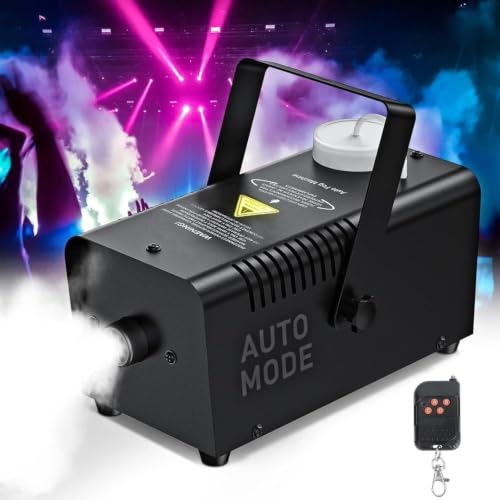
【Quick Preheating】The upgraded fog machine provides three wireless remote control working modes. The three buttons correspond to different preheating times and spraying times (A: preheating 15s, spraying 30s/B: preheating 30s, spraying 60s/C: preheating 40s, spraying 80s) You can press the "A/B/C" button to set the timer
Mixing the Right Fog Fluid: Water-to-Glycerin Ratios Explained
The ideal water-to-glycerin ratio depends on the fog density you want to achieve. For a balanced fog with moderate density and longer hang time, use a 1 to 3 ratio, meaning one part glycerin to three parts distilled water, which results in about 25% glycerin concentration. If you prefer a light haze or subtle effect, reduce the glycerin to around 15-20%, roughly a 1 to 5 ratio. For dense, long-lasting fog with maximum opacity, increase the glycerin content to 30-50%, or about a 1 to 2 ratio. Always use pure, distilled water and vegetable glycerin to prevent residue buildup. Keep in mind that higher glycerin levels can decrease airflow and flow from your fog machine, so test small batches first and adjust gradually until you find the consistency that provides your desired effect. Homemade fog juice with a 1 part glycerin to 4 parts water ratio is recommended for thickness and quality comparable to commercial products.

Perfect Compatibility: The 2.03 fl oz (60ml) fog juice is specially formulated for use with the COLBOR CF5/CF3 fog machine, ensuring optimal performance
Perfect Compatibility: The 2.03 fl oz (60ml) fog juice is specially formulated for use with the COLBOR CF5/CF3 fog machine, ensuring optimal performance

Vegetable Glycerin USP FOOD GRADE - 1 Quart (32 oz.)
How to Fill, Light, and Run Your Fog Machine Safely
To fill, light, and operate your fog machine safely, follow these essential steps. First, switch off the unit before proceeding. Use a funnel to pour only approved fog fluid—never flammable liquids—into the tank, and avoid overfilling to prevent leaks or damage. Place the fog machine on a flat, fire-resistant surface and plug it into a grounded outlet. Turn it on and allow it to warm up completely, which typically takes several minutes, until the warning indicator signals readiness. Keep the nozzle at least 50 centimeters away from people to prevent mishaps and aim into open space rather than at flames, hot surfaces, or objects that could catch fire. Historically, fog machines have been used in theater and film for atmospheric effects, but indoor use requires attention to ventilation and environmental safety. Always ensure proper airflow, avoid blocking vents, and never leave the fog machine unattended while it is operating. When finished, unplug the device and let it cool down fully before storing. It’s also wise to test the fog output beforehand to confirm safe placement during your event.
Troubleshooting Common Fog Machine Problems
If your fog machine won’t start, runs weakly, or sputters, the fix is often simpler than you think. First, check the power source and fuse to ensure they’re functioning properly. If it powers on but doesn’t produce fog, inspect the fluid tank; fog fluid deficiencies, such as an empty tank or old, thickened fluid, are common issues. For weak or sputtering fog, do some pump troubleshooting: listen for the pump’s noise—silence often indicates a blockage or electrical problem. Prime the pump to remove air from the line, and check for kinked pickup tubes or clogged nozzles. Ensure the battery contacts in any remote or timer unit are also clean and corrosion-free, as dirty contacts can mimic power loss issues. Always allow the heater to warm up fully, which usually takes between 3 and 10 minutes. If you smell burning or notice residue around the heater, stop immediately and carefully clean the heater block to prevent buildup that mimics a burning smell during operation. Avoid running the machine dry to prevent damage and ensure consistent fog production. For best results, position your fog machine on a stable, elevated surface similar to how LED par cans benefit from proper placement for optimal output.

One Quart of premium water based fog machine fluid - remains clean, dry and odorless

Ridiculously Long-Lasting Fog Juice for Fog Machine: Swamp Juice is the original, longest-lasting water-based fog machine liquid with 2–3 hour hang time, trusted by haunters, DJs, and entertainment pros.

One Gallon of premium water based fog machine fluid - remains clean, dry and odorless
Build a DIY Electric Fog Machine With a 12V Battery
Because commercial 12V fog machines often demand hundreds of watts, your DIY build requires balancing a high-power heater core with a robust battery pack. You should select a heater with a power rating between 600W and 720W to achieve nearly instant warm-up times, which is essential for portable operation. Calculating your battery capacity is crucial since a 400W heater core draws about 33 amps, meaning a 12V/15Ah battery pack will only run continuously for around 27 minutes. To extend runtime, consider using a larger capacity deep-cycle battery, such as a 12V/30Ah or higher. Pair the heater with a computer fan to disperse the vapor effectively, and include a small reservoir for the fog fluid—preferably water-based for safety and ease of use. Mount everything in a compact enclosure, wiring the heater, fan, and fluid pump directly to your power source. Keep in mind that your fog density and duration depend heavily on your component choices, so prioritize selecting a high-capacity battery and a sufficiently powerful heater to get the most effective results. For additional cozy ambiance, you can install warm-toned string lights in the same space to complement the fog effect. You might also consider incorporating sparklers as us for a dazzling visual accent alongside your fog effects. For a festive touch, you can hang red lanterns near the fog machine to enhance the atmosphere.

【 Temperature】: Portable car heater adopts PTC ceramic constant temperature heating elements, features 3 air outlets and double gear temperature switch, air outlet temperature is 75 ℃, creating a warm driving environment at winter

Directly plug and play for most vehicles, easy installation. yet for some European vehicles built in CAN-BUS system, it may require the load resistor or decoder to avoid the error code or blinking issues.

500W Practical Heater: 12v 500w car heater can be used for windshield defrosting, defogging and deicing. With this 500w 4 holes air outlets car heater, you no longer have to worry about the warmth in the car.
Safety Warnings for DIY Fog Machine Builders
The nozzle of a fog machine can reach extremely high temperatures, so keep your hands, skin, and face well away during and immediately after operation. Maintain a clearance of at least 60 centimeters from flammable materials such as curtains, paper, or upholstery to prevent fire hazards. Never aim the nozzle at people, pets, or open flames, as the hot output and fog can cause injuries or accidents. Only use approved fog fluids; do not mix or add homemade mixtures, which could damage the machine or produce harmful fumes. Dense fog can significantly reduce visibility and create slip hazards from condensation on floors. Always operate your fog machine in a well-ventilated area to disperse fog safely. Keep the device out of reach of children and pets, and ensure that adult supervision is present during use. For a polished presentation setup, consider using a foam board backdrop to shield nearby surfaces from condensation and heat.