Want to know how to blow up a foil balloon without a fuss? It’s easier than you might think—you just need to find the right spot and follow a simple step-by-step method.
By the end of this, you’ll be able to inflate your balloons quickly and safely, whether with air or helium. Keep reading for the easy instructions that will have your decorations looking perfect in no time.
Where Is the Valve on a Foil Balloon? (And How to Find It)
Start by locating the longest tab at the balloon’s base—that’s your best clue. The valve usually sits slightly inside the balloon neck rather than on the outer edge. Look for the decorative tabs; the valve area is typically longer and more functional, often marked by a silver disc or a clear flap.
Gently run your fingers along the tail or neck area. Feel for a small channel or narrow sleeve between the foil layers—the valve often feels flatter and more structured than the rest of the balloon. Press lightly to find the opening without forcing the material apart. Avoid confusing the tail with the valve opening and steer clear of opening the outer edge instead of the inner passage, as that can damage the balloon. Confirm the valve’s location by spotting a clear strip or a colored tab. Once identified, you’re ready to proceed with inflation. Just like LED lights, foil balloons can last through multiple uses if properly cared for and stored. The transparent flap serves as the entry point for properly inserting the pump without damaging the balloon. You can then reuse foil balloons safely on special occasions by deflating them with a straw and storing them flat. This careful storage method is similar to how wedding arches are preserved for future celebrations.

Complete accessory kit with hand pump, deflation straws, ribbon & adhesive dots. No helium required for quick inflation and easy post-party storage.
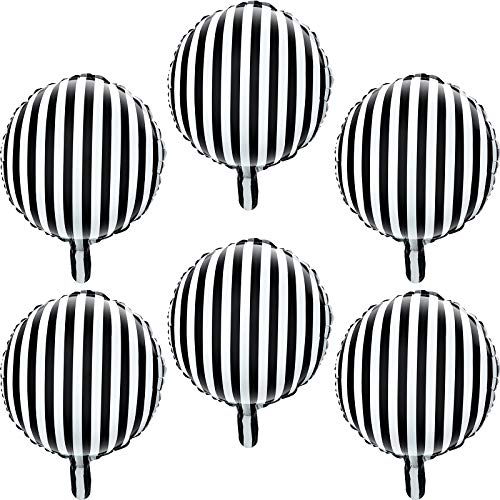
What You Can Get: the package comes with 24 pieces of black and white striped balloons, enough quantity for you to decorate your party or play for your family and friends, the balloon comes uninflated
Should You Use Air or Helium for Your Foil Balloon?
Using helium is ideal when you want your foil balloon to float. Helium-filled foil balloons typically stay afloat for 3 to 5 days, sometimes longer, making them perfect for ceiling displays and balloon bouquets that require movement and lift. On the other hand, air is better suited for grounded arrangements such as garlands, arches, or wall decorations. Air-filled balloons last much longer—weeks or even months when kept indoors—and are more cost-effective for static displays. For outdoor use, you might consider securing the balloon with a yard sign stake to prevent it from drifting away. When choosing party favors, many parents search for top kids’ party favors to complement their balloon decorations. For capturing high-quality photos of your balloon setup, a ring light with stand ensures professional lighting and sharp focus.
The inflation method affects the balloon’s performance and longevity. Helium creates lift and dynamic movement, which is essential for floating decorations. Air, however, keeps balloons stationary and allows for reuse if the valve remains sealed. Always check the balloon’s size and manufacturer recommendations, as some smaller foil balloons are designed solely for air inflation. Your choice between helium and air ultimately depends on whether you want floating impact or a durable, budget-friendly decoration.
Insert the Straw or Nozzle Without Damaging the Valve
To insert the straw or nozzle without damaging the valve, locate the valve opening at the flat tail or tab of the foil balloon—it’s the narrow channel between two layers of plastic, not the side seam. Gently slide your straw or nozzle into this channel, keeping it straight to avoid tearing the delicate valve structure. The valve contains a self-sealing inner slit, so push only until you encounter slight resistance; this indicates airflow can begin. Do not force the nozzle deeper, as tearing the seal will ruin the valve. Hold the balloon’s neck firmly around the nozzle to maintain a tight fit without pinching the opening. If you encounter resistance while inserting, gently wiggle the nozzle instead of forcing it. Always align the nozzle with the channel and avoid angling it into the wall; this ensures the valve stays intact and can reseal properly after inflation. Similar care is needed when handling freeze rose petals to avoid damaging their delicate structure. When decorating with these, you can also create a paper fan decoration using a simple stick and folded paper to add a fun, handmade touch to the room. Using an electrical balloon pump with small nozzle attachment or a straw helps maintain steady control during inflation to prevent overpressuring the valve. For a stable setup, consider securing the balloon in a simple DIY tripod stand to keep both hands free and avoid accidental tugs on the valve while you work.

🎈The internal structure of the balloon pump adopts a three-ring design, which has a larger air output and inflates the balloon more quickly and easily.
![NuLink Balloon Pump Electric Portable Dual Nozzle Air Pump for Balloons Blower Pump Inflator for Decoration, Birthday Party [110V~120V, 600W, Purple]](https://m.media-amazon.com/images/I/41svEbTTsnL._SL500_.jpg)
Portable and compact design: Electric balloon pump is deigned for lightweight, with an ergonomic handle. This balloon pump is created and designed for on the go party planners and event organizers, fitting easily into carrying bag and lugguage for travel.
Inflate Slowly and Stop When the Balloon Feels Firm
Start by inflating the balloon slowly and steadily to keep the internal pressure manageable. Since foil balloons don’t stretch like latex ones, they fill out quickly once airflow begins. Keep an eye on the shape as it rounds out, ensuring even expansion and smoothing out any creases. When the balloon feels firm to the touch but still has a slight give, stop inflating. Don’t wait until it’s completely hard, as overinflation can cause the balloon to burst or stress the seals. Use the touch test: gently squeeze the sides to check the firmness. A balloon with a slight yielding sensation is just right. If you notice persistent wrinkling, add a bit more air. If there’s excessive resistance, you’ve gone too far. Aim to fill the balloon to about 85-90% full for a firm but not overly taut balloon that resists damage. Using equipment with auto cut-off helps prevent overinflation. For a cohesive look in your space, consider pairing your inflated balloons with best artificial vines to enhance your home decor. For durable outdoor events, you can set up these balloons near solar-powered umbrellas to create a well-lit and coordinated space. Always perform a visual inspection for any stress or leakage before finalizing your setup, similar to the safety checks recommended for soldering projects.

160/260 Balloon Electric Balloon Pump: Suitable for inflating slender balloons such as 160/260, as well as animal balloons and aluminum foil balloons. Not suitable for other large-sized balloons, such as 12-inch latex balloons. Not suitable for sports balls such as football

Electric Balloon Pump: Plug-in design; Input voltage:110-120V;Power: 12W; Frequency: 60hz.

How to Seal a Foil Balloon So It Stays Inflated
Once you’ve filled the balloon to about 85-90% of its capacity, sealing it properly is essential to maintain its inflated shape and longevity. Start by identifying the valve type. Self-sealing foil balloons simply close by pressing the valve flat after removing the inflation nozzle, as they contain a closure mechanism that traps air automatically. For non-self-sealing balloons, heat sealing is necessary to trap the gas.
Prepare the neck by smoothing it flat—wrinkles in the material can prevent a complete seal. Pinch the neck close to the seal area, leaving only a small tail for the seal. If using a heat sealer, set it to a low temperature, press for about five seconds, then release. Make sure the seal is smooth and crease-free to ensure an airtight closure. If the initial seal appears weak, apply a second seal just above the first as a backup. Proper sealing techniques help your balloon stay inflated for days instead of deflating quickly.

Adjustable Temperature Setting Heat Sealer:The impulse bag sealer has a temperature adjustment dial, adjustable heat settings for the different materials bags being used

Compact and Portable - This handheld heat sealer is lightweight and easy to use, perfect for sealing bobo balloons and plastic bags. Great for DIY decorations and events like birthdays and weddings
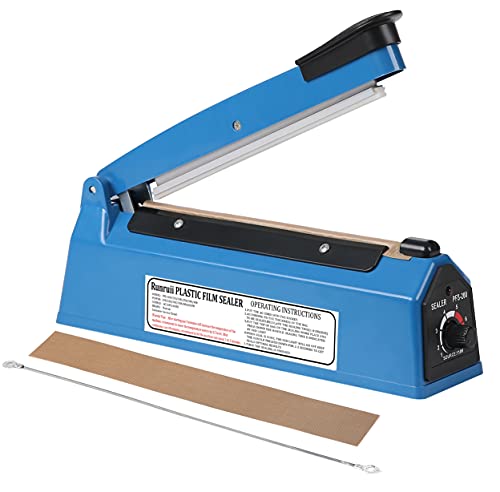
Instantly use: No warm up time needed, Lightweight Design 8 stalls temperature adjustme impulse manual hand bag sealer to meet any different materials bags. Important: This machine can't cut any bags!
Fixing Common Foil Balloon Problems: Flat Spots and Leaks
Foil balloons can develop flat spots or lose gas even after a perfect initial seal. For flat spots caused by cold temperatures, simply move your balloon to a warmer room. The gas inside expands as it warms, helping the balloon regain its shape without adding more air. Just remember, this is a temporary fix—don’t mistake the sagging for a leak. A leak is generally due to improper valve handling rather than a balloon defect. If you’re decorating for a party, ensuring your outdoor curtain lights are securely installed can also prevent accidental punctures from falling objects.
If you notice persistent deflation, check the valve first. A weak or improperly sealed valve often causes gassing issues. Ensure it’s fully closed and avoid rough handling during inflation that might damage it. For leaks in seams or tiny punctures, use soapy water to locate them. Bubbles will form at the leak site, making it easier to identify. Small holes near printed areas are tricky to patch, but keeping the balloon away from sharp surfaces and inflating it carefully can extend its lifespan. Proper handling and minor repairs can help your balloon stay looking fresh longer.

Weather resistant: our butyl tape is designed to withstand various weather conditions, making it suitable for both indoor and outdoor applications,butyl sealant tape,leak tape