Struggling to keep your silverware neatly wrapped in napkins? Using cloth napkins makes it much easier to achieve a crisp, secure fold that stays in place. Thicker fabrics like damask or cotton hold their shape better than paper, making your table look tidy and polished.
With a few simple steps, you’ll be able to fold silverware into a clean, attractive bundle every time.
Why Cloth Napkins Make Better Folds for Silverware
Cloth napkins make better folds for silverware because their thickness and structure allow them to hold crisp, secure folds better than paper. The fabric’s texture directly affects fold stability; heavier materials like damask provide more body and respond well to precise creases. Cotton or poly-cotton blends are good options for simpler, everyday folds. For optimal results, iron your napkin before folding to sharpen each line and help the fold retain its shape. Light starching can also help the fabric maintain its form longer on the table, preventing the bundle from collapsing. The sturdier material ensures that once you insert your silverware, it stays securely cradled, with handles aligned and utensils nested without sliding around, giving your place setting a neat, polished look. Selecting a ring bearer pillow with a structured interior offers similar stability for holding the rings securely during a ceremony. Investing in a ring light with stand can similarly elevate your photography setup by providing stable, adjustable lighting that keeps your subject well-lit and your presentation crisp. For the table itself, pairing your folded napkins with high-quality placemats ensures both style and durability for the entire dining presentation.

Newbridge Barcelona Luxury Damask Fabric Napkins, Set of 4 Square Napkins, Antique White, 100% Polyester, No Iron, Soil Resistant Dining Room, Party and Banquet Napkins

ELEGANT DAMASK PATTERN: Luxurious woven damask fabric adds a touch of sophistication to your table setting, perfect for both everyday use and special occasions.

JEBBLAS Disposable white napkins are big, the size is 16" x 16", thick and absorbent, ideal for wedding, party, dinner,and special events.
The Classic Pocket Fold for Silverware That Stays Put
You can create a reliable pocket fold for silverware using a simple, four-step process with a pressed square napkin. Start with a square that’s been pressed flat to ensure neatness and crisp edges. Lay it seam-side down, then fold it in half twice to form a smaller square, keeping those edges tight for a structured look. Position the square so one open corner points away and to the left. Fold the top layer diagonally across, forming a triangular flap that will lock the pocket in place. Press this fold firmly to set it. The initial fold should set the foundation for the pocket structure.
Flip the napkin over to the backside. Fold the right side inward by about one-third, then do the same with the left side, ensuring symmetry throughout. Tuck any loose corners into the lower pocket area to help grip the utensils securely. Flip the napkin back to its original side, which creates friction that keeps the silverware in place. The finished pocket should have a slightly narrow opening—just enough to firmly grip your utensils without being too tight. For an even more polished table setting, consider pairing this napkin fold with a properly sized tablecloth for your round table. Always check that the napkin fabric is free of wrinkles before folding, as this mimics the careful handling required to avoid tearing or misalignment during the final tuck. For a cohesive event look, you might also coordinate with white chair covers that match your tablecloth’s crisp style.

100% Pure 19 Momme Mulbery Silk: The preferred, premium fabric for finer men's pocket squares or hanky

Prefolded Design: Our pocket squares come prefolded, simply slide it into your suit pocket, and you’re ready to go—no folding skills required; Perfect for busy professionals, office workers, or anyone who values both style and convenience

YOU WILL GET: 50pcs disposable napkins with a built-in silverware holder each, sufficient for your daily or party use
Master the Envelope-Style Wrap for Silverware
Master the envelope-style wrap, starting with a square cloth napkin and folding it diagonally to form a large triangle. Position your fork, knife, and spoon along the long bottom edge, close to the inner side. Fold both side points inward so the napkin resembles an open envelope. Then, fold the left and right corners over the silverware so their tips meet near the center, ensuring the folds are even to avoid gaps. Bring the bottom section upward to seal the front, using the top flap to close neatly. Finish by rolling the napkin tightly from the longer edge toward the flap to hold the silverware securely in place, then tuck the final flap underneath for a clean look. Pre-folding the napkin into a precise square before starting simplifies the entire sequence and ensures the final envelope shape remains symmetrical. For a presentation that rivals the top rope with lights in visual appeal, choose linen napkins for a crisp, polished finish. The choice of napkin material affects the overall appearance; linen provides a crisp, polished finish. When rolling the napkin, do so firmly but avoid excessive wrinkling to maintain a neat envelope shape that stays flat on the plate. This technique is ideal for formal settings where a polished presentation of cutlery is desired. Avoid common setup errors by ensuring your napkin lies perfectly flat before folding, similar to checking that a balloon arch stand is level to prevent structural issues. If you plan to reuse these napkins for multiple events, reuse foil balloons safely by checking for punctures before each use to ensure they remain intact and effective.

✔ UPSCALE LOOK - Add simple elegance to your table setting with this high-quality napkins.

50-Piece Set: This pack includes 50 Beige pocket napkins — enough to comfortably serve 50 guests. Unfolded size: 15.75" x 15.75" (40 x 40 cm); folded size: 7.87" x 3.94" (20 x 10 cm), sufficient quantity and ideal size will be nice for all daily dinners or big parties

Unique Bookfold Design: Opens effortlessly like a book for a clean, elegant presentation. The flat, even fold makes it ideal for restaurant-style setups or at-home entertaining.
Create a Tight Roll-Up Bundle for Silverware
Start by unfolding the napkin completely and folding it into a triangle with the long edge facing you. Place the silverware near the center of this edge, aligning the utensils parallel and stacking them evenly. Smooth fabric textures make this easier—smoother materials allow fingers to slide, while linen’s grip helps keep folds in place without slipping.
Next, fold the left side of the napkin over the silverware, then do the same with the right side, overlapping them snugly. These folds lock the utensils inside, preventing shifting during handling. From the bottom edge, start rolling the napkin upward toward the pointed tip, applying firm, even pressure throughout. Keep the silverware centered as you roll to maintain a tidy look. Tuck any loose fabric as you go to avoid unraveling. When fully rolled, seal the bundle by placing the seam-side down on the plate, creating a clean and compact presentation. Performing multiple folds in sequence ensures the utensils stay centered and the bundle holds its shape during rolling.

NATURALLY LUXURIOUS. Our premium, prerolled napkin cutlery set uses 100% natural bamboo utensils and high-end, extra soft & thick napkins that feel like linen. The set is plastic-free and chemical-free – safe to use for any fancy meals or occasion!
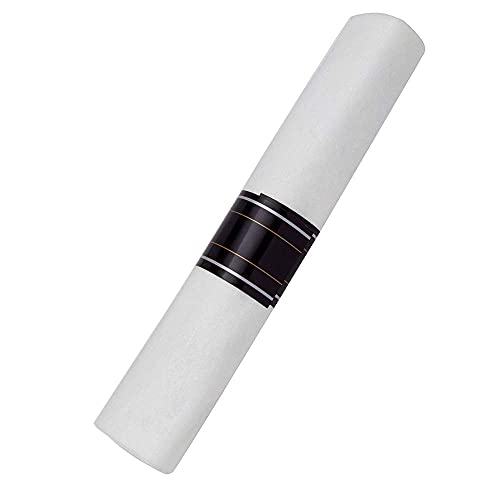
Cutlery roll contains a disposable silver plastic fork, knife, and spoon wrapped in a disposable paper napkin with a band

Elegant Gold Design: Add a touch of luxury to any occasion with sleek gold-toned utensils that shine with style.
Match Your Silverware Fold Style to the Occasion
The type of fold you choose should match the occasion’s formality and purpose. For formal dinners, a crisp pocket or envelope fold is ideal because its symmetry conveys orderliness and facilitates color coordination with your tablecloth. These folds are also more durable, preventing the fold from unraveling during the meal, which helps maintain a tidy appearance. At buffets, a stable pocket fold works best because it keeps utensils secure, allowing for one-handed pickup without fuss. During holidays, adapt a tidy roll to complement festive decor—secure corners prevent utensils from unfolding during serving. Business meals benefit from a clean, professional envelope fold that neatly contains utensils and minimizes clutter at the table. For example, you can quickly apply the same principle of testing for common wiring faults to ensure your lighting is reliable. Casual weeknight dinners allow for more relaxed options like simple rolling or folding for quick, practical setup. For a themed party, you could create a DIY Photo Booth Kit to mirror the occasion’s festive tone while keeping guests entertained. Always let the event’s tone guide your silverware presentation, ensuring your folding style aligns with the occasion’s level of formality.


【Serves 60 Guests】You will receive 60 pcs pocket linen napkins, sufficient quantity, whether it is a family dinner or a large banquet, it can meet your use needs and serve multiple guests
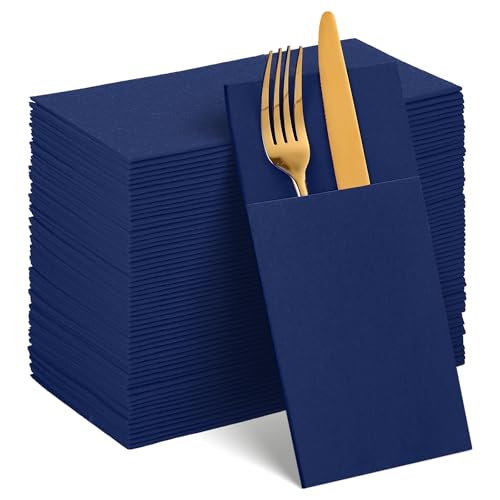
【Serves 60 Guests】You will receive 60 pcs pocket linen napkins, sufficient quantity, whether it is a family dinner or a large banquet, it can meet your use needs and serve multiple guests
5 Common Mistakes That Ruin Your Napkin-and-Silverware Folds
Even when you select the perfect fold for your event, a few common mistakes can ruin your napkin and silverware presentation. First, improper napkin orientation can spoil the look; starting with the napkin face-up exposes seams and disrupts pocket alignment. Ensuring the fold begins face-down helps maintain a clean, uniform appearance. Next, poor edge alignment can make pockets crooked and lumpy; take care to precisely align all edges for a polished look. Folding too loosely allows utensils to slide out, while folding too tightly distorts the fabric—aim for balanced tension to keep everything in place. Off-center placement of silverware results in an uneven bundle; always center utensils with handles aligned for symmetry. For events where lighting is crucial, consider complementing your table settings with uplights for events to enhance the overall ambiance and visibility of your napkin folds. Lastly, skipping the securing step causes the fold to open during transport. Securing with a napkin ring, ringlet, or a cloth napkin clip keeps everything tidy. It’s also wise to consider cultural variations in utensil order and to use reusable napkins to promote sustainability, both of which benefit from a secure, neatly folded presentation. For those setting up large-scale events, choosing a foam board for the backdrop can provide a stable and lightweight surface for displaying napkin-folding demonstrations. Achieving a professional finish also depends on using a high-quality backdrop to eliminate distracting shadows and background clutter.
Press, Center, and Size: 3 Quick Tips for Uniform Folds
To achieve uniform folds across your full table setting, you need to press, center, and size each napkin before you begin wrapping. Start by pressing your cloth napkins—linen is ideal—to flatten wrinkles and keep edges crisp. Choosing structured fabric makes a difference; soft materials tend to lose shape easily. For example, selecting a smooth cotton fabric ensures your folds stay crisp and professional throughout the event. A smooth, wrinkle-free surface ensures your folds stay symmetrical and professional-looking. Just as with foil balloons, pressing out air and wrinkles before starting prevents uneven results and helps maintain a crisp final shape. Similarly, when securing silk flowers, many crafters rely on floral foam to hold stems firmly and prevent shifting.
Next, position your utensils in the center of each napkin. For pocket folds, align them along the vertical crease; for triangular folds, place them near the inner edge. Proper centering prevents shifting during folding and keeps both sides even.
Finally, select the right napkin size. Standard squares measuring 16 to 20 inches work well for most flatware sets, providing enough overlap. If you’re using larger utensils or creating more elaborate folds, opt for larger napkins to prevent crowds and uneven edges. Color coordination also enhances presentation, unifying the table’s look effortlessly.